

Study finds poultry farms still falling short on routine biosecurity measures
Proper implementation of biosecurity measures is essential to prevent the introduction of animal diseases, such as avian influenza, into poultry farms.
NETHERLANDS – Routine biosecurity practices on poultry farms remain inconsistently applied despite their critical role in preventing avian influenza and other livestock diseases, according to a new study by Wageningen Bioveterinary Research.
The research found that while biosecurity protocols are well established, compliance with basic daily measures such as hand hygiene, footwear changes and cleaning procedures can be significantly improved to reduce disease risks.
Scientists monitored activities at broiler, layer, breeder, and duck farms over several weeks using 24-hour video surveillance to track the movement of people and materials at farm entrances and in poultry houses.
The findings showed that several routine practices were frequently overlooked.
Researchers observed that hands were rarely washed when entering or leaving antechambers, while footwear changes were often carried out incorrectly or only partially completed.
The study also identified weaknesses in farm logistics that could increase the risk of pathogen introduction.
After egg collection, storage areas were often left uncleaned and undisinfected.
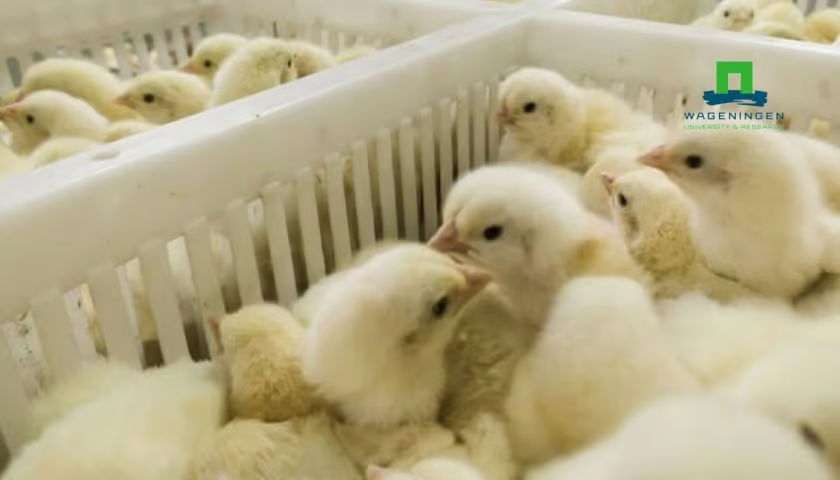
During the delivery of broiler chicks and ducklings, transport personnel and farm workers were regularly seen entering poultry houses without changing footwear.
Researchers also found that litter delivery practices at one farm could increase the likelihood of introducing disease-causing pathogens.
Despite the shortcomings, the study demonstrated that high biosecurity standards are achievable.
One poultry farm consistently applied all recommended measures, showing that rigorous implementation can be maintained in commercial production.
“Although the standards for biosecurity measures are not laid down in Dutch legislation, they are logical measures to prevent the introduction of pathogens, including the avian influenza virus,” said Armin Elbers, epidemiologist and project leader at Wageningen Bioveterinary Research.
“Our research shows that consistent implementation is achievable. At one farm, the measures were applied systematically and meticulously.”
Training remains critical
The researchers noted that their findings align with international studies, which similarly report inconsistent biosecurity compliance across poultry industries worldwide.
They stressed that improving awareness and providing regular training for poultry farmers, farm employees and professional visitors remain essential to strengthening disease prevention.
According to the researchers, better implementation of existing biosecurity measures could significantly reduce the introduction of avian influenza virus and other infectious pathogens onto poultry farms.
The study was conducted under the Public-Private Partnership (PPP) on Avian Influenza Risk, which examines disease transmission routes and biosecurity practices within the One Health for Food (1H4F) programme.
The project was funded by the Dutch Ministry of Agriculture, Fisheries, Food Security and Nature (LVVN) and Avined.
The findings come as poultry-producing countries continue to strengthen biosecurity following repeated outbreaks of highly pathogenic avian influenza, which have caused substantial economic losses, disrupted poultry production and trade, and increased pressure on governments and producers to improve on-farm disease prevention.
Sign up HERE to receive our email newsletters with the latest news updates and insights from Africa and the World, and follow us on our WhatsApp channel for updates.


Be the first to leave a comment