Animal Welfare
-
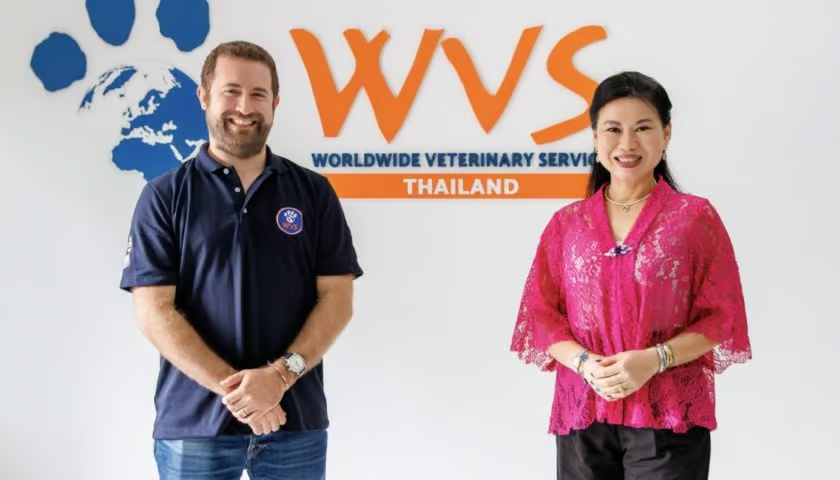
Mars commits US$3M to Thailand rabies elimination
The three-year programme will target hard-to-reach dog populations, strengthen rabies surveillance and expand veterinary training to support Thailand’s national elimination efforts.
-

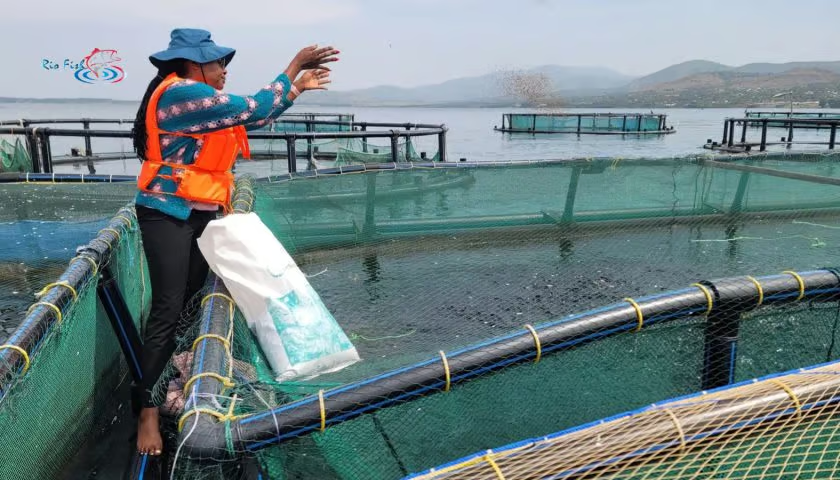
ESR partners with Rio Fish to strengthen tilapia welfare in Kenya
They aim to raise fish welfare standards and responsible aquaculture practices in Kenya, while extending those practices to Rio Fish’s wider farmer network.
-
Senegal plans US$1.7M livestock traceability strategy to curb theft
This initiative responds to the continued economic impact of livestock theft in Senegal.
-
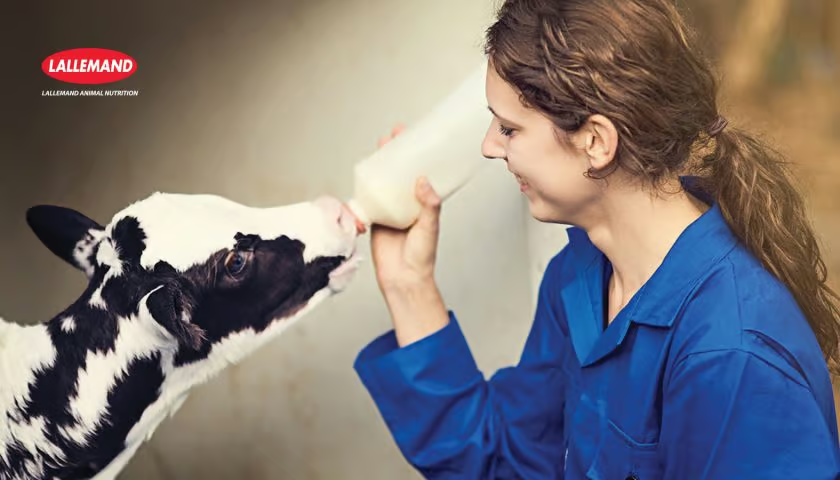
Lallemand launches young-ruminant nutrition programme for calf health
SMART GROWS supports calf health, digestion and resilience from birth through weaning.
-
Tunisia pilots BCG vaccine trial to curb bovine tuberculosis
In addition to the risk to public health, Bovine tuberculosis causes general illness, pneumonia, weight loss, and ultimately death in affected animals.
-
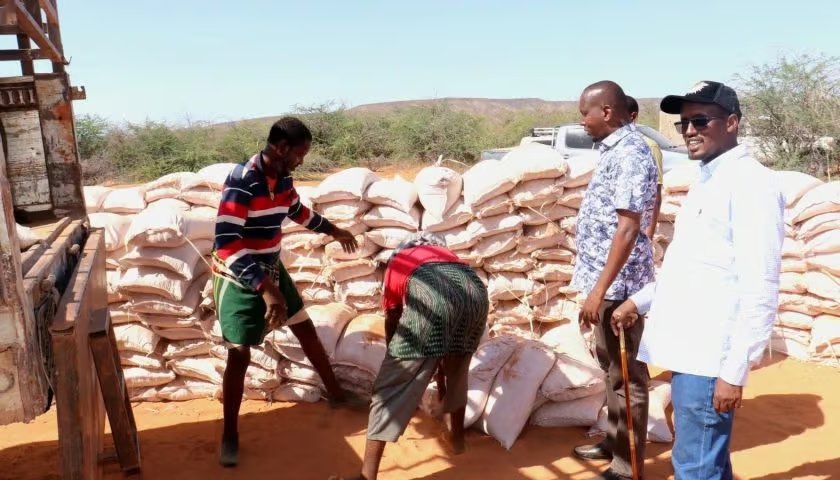
Natural salt licks support livestock recovery after drought in northern Kenya
This is a symbol of recovery after a drought that nearly wiped out the animals on which they depend for their lives.
-
Kenyan government backs Likuyani animal feeds processing plant initiative
The proposed plant will be developed by the ATM Sacco, a welfare and development group that brings together members of the Anyore, Tiriki and Maragoli communities.
-
Sri Lanka launches animal nutrition association with USSEC support as poultry feed demand rises
SLAAN was established as a professional body dedicated to advancing the livestock industry through science, innovation, and sustainability.
-
GALVmed, WOAH formalise partnership to improve veterinary product access
This collaboration aims to strengthen the capacity to prevent and control animal diseases through improved coordination.
-
Trouw Nutrition to close Belfast premix mill, cut 29 jobs in restructuring move
Dutch-based Trouw says move is ‘intended to strengthen its long-term resilience’