Govt. Policy and Regulatory
-

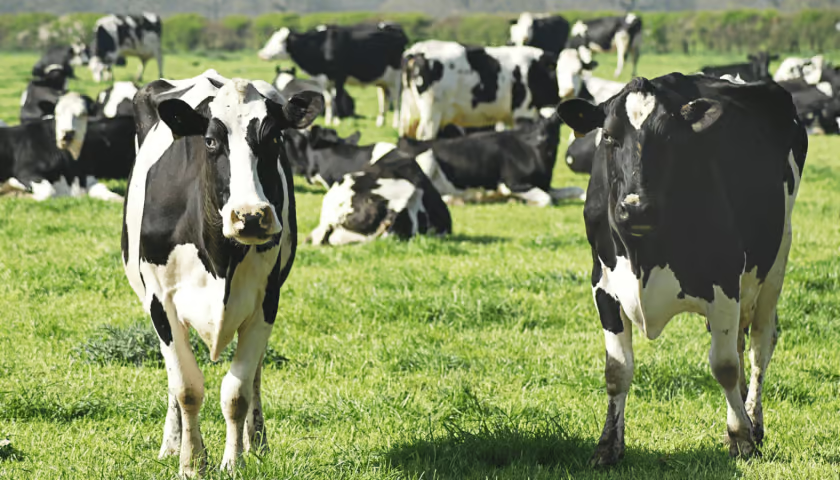
Kenya set aside US$3.6B to tackle animal feed crisis
The Kenyan government is also piloting a Livestock Master Plan to guide county-level investments based on agro-ecological conditions.
-

Rwanda seeks feed investment as livestock sector faces 15.9M-tonne supply gap
Rwanda aims to increase annual meat production by 20% by 2028/29 as part of its five-year plan.
-
Zimbabwe launches digital feed dashboard to strengthen livestock resilience against drought
The innovation aims to improve access to information on animal feed resources and strengthen preparedness against future climate shocks.
-
Neogen expands insect control recommendations as NWS concerns grow
“The United States has defeated this pest before, and we will do it again,” said the USDA.
-
Botswana launches national fodder strategy to boost livestock feed security
Officials say the strategy will significantly reshape the country’s feed outlook.
-
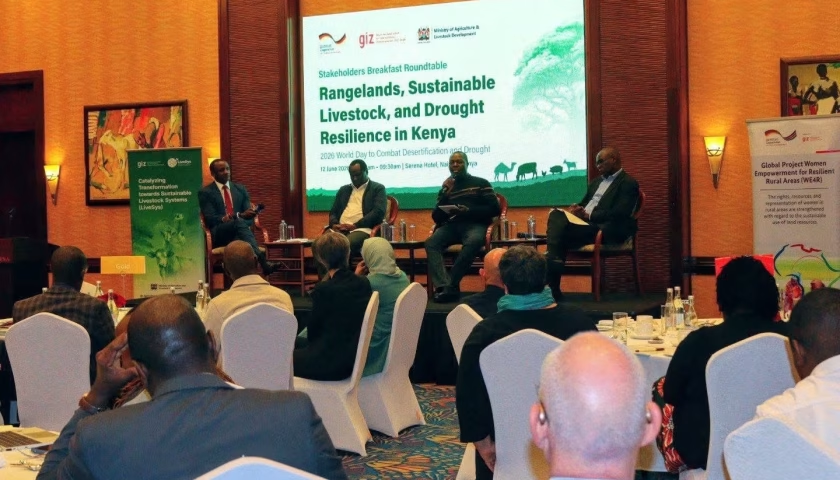
Kenya to restore 13.5M hectares to boost livestock resilience and rangeland productivity
The World Day to Combat Desertification and Drought is observed annually to raise awareness about land degradation, desertification, and the impacts of drought
-
South Africa, Italy sign agriculture cooperation deal focused on animal health and feed innovation
The partnership effectively creates a dual corridor: Italy accesses African markets via South Africa, while South Africa accesses European value
-
Kenya livestock reforms shift toward aggregation, feed efficiency and export-driven value chains
Kenya’s livestock base remains one of the largest in Africa, forming the backbone of livelihoods in arid and semi-arid regions.
-
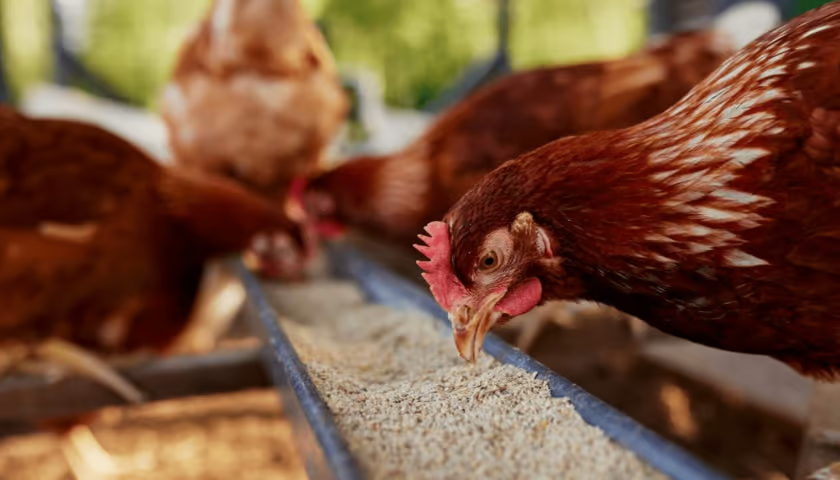
Senegal’s SedapTech expands digital poultry management solutions for farmers
Technology adoption helps poultry producers reduce losses and improve operational efficiency.
-
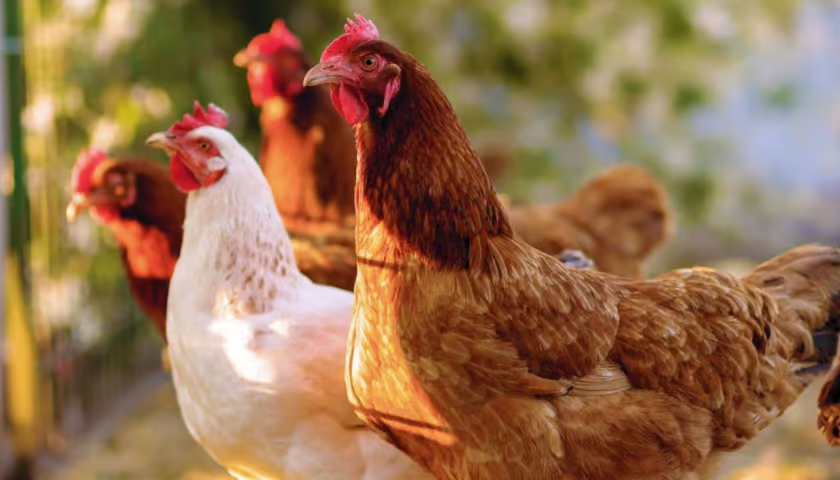
South Africa adopts avian influenza vaccination strategy after US$529M poultry crisis
Initial findings from pilot programmes suggest that vaccination does not completely prevent infection but can significantly reduce mortality rates.