Alternative Feed
-
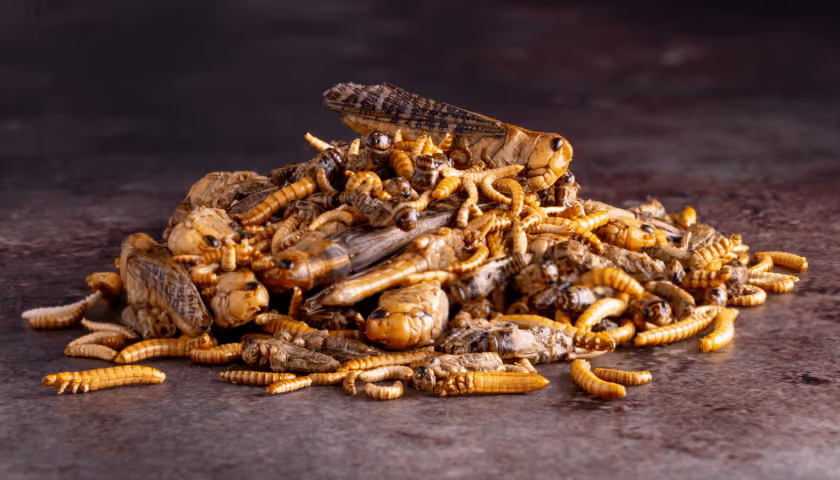
FairGene launches BSF egg facility to strengthen insect feed supply chain
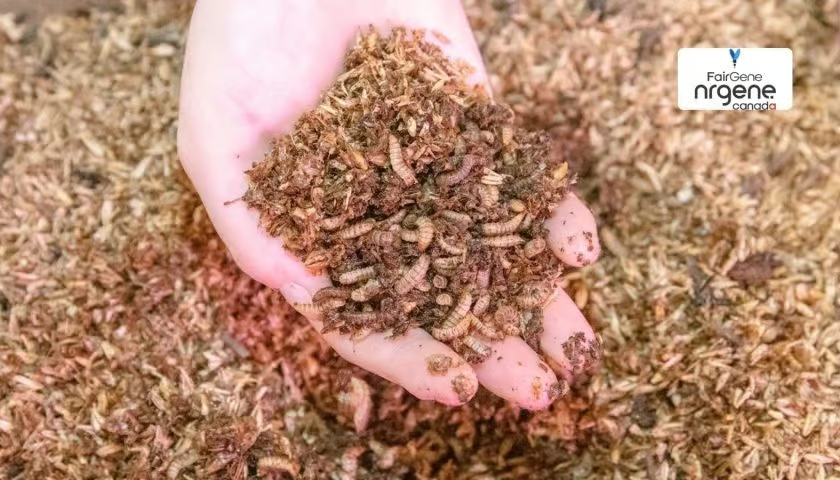
CANADA – Fairville Farming Co. and NRGene Canada have launched FairGene, a dedicated black soldier fly (BSF) egg production facility in Bassano, Alberta, aimed at…
-

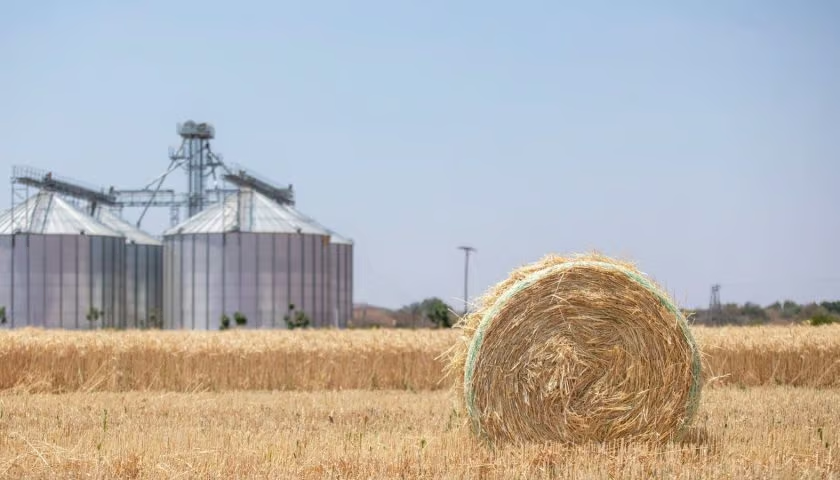
Botswana secures US$20.8M investment to boost local fodder production
The fodder strategy will help reduce overgrazing and #landdegradation while simultaneously creating opportunities for import substitution.
-
ILRI, Innoterra partner to transform crop residues into sustainable livestock feed
The initiative to transform crop residues into high-quality livestock feed
-
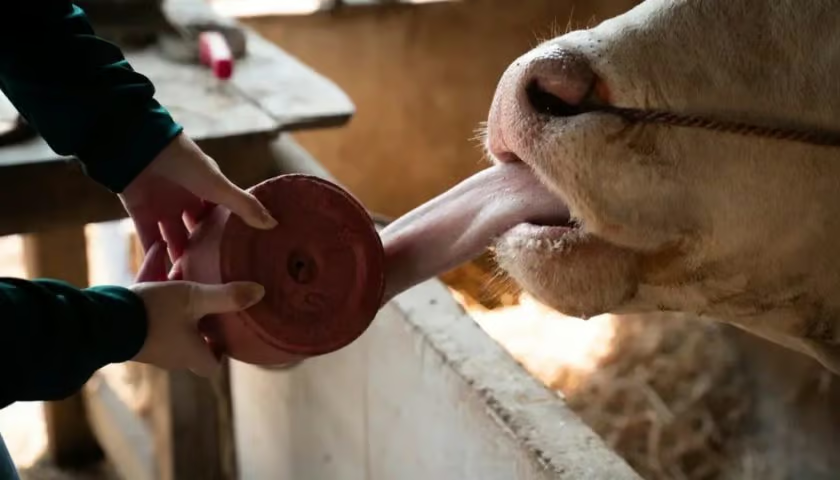
Natural salt licks support livestock recovery after drought in northern Kenya
This is a symbol of recovery after a drought that nearly wiped out the animals on which they depend for their lives.
-
Top 10 alternative protein sources transforming animal feed in Africa and the Middle East
These innovations has the greatest potential to reshape the future of feed
-
Researchers turn cocoa waste into feed, cutting methane emissions by 44%
They’ve developed a compressed mineral lick block and a powdered formulation, which incorporates up to 30% cocoa waste
-
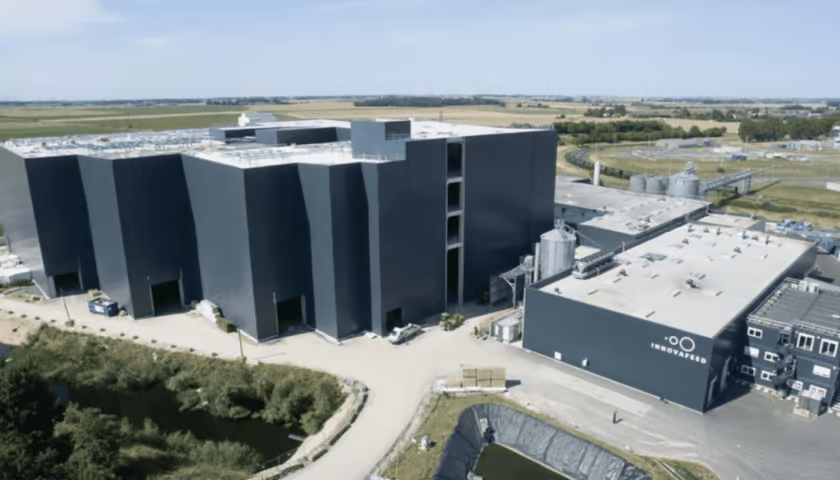
Innovafeed secures US$59 million to accelerate insect protein growth
The company is shifting investment toward commercial growth in pet food and aquaculture.
-
NARA backs World Bank recommendation for rendered proteins in Morocco aquafeeds
World Bank says removing RAP restriction would reduce aquaculture feed costs and exposure to fishmeal price volatility.
-
U.S. Soybean Export Council-backed study finds soy protein concentrate can fully replace fish meal in sea bass diets
The findings point to the potential for market growth for U.S. Soy across both cage culture and recirculating aquaculture system (RAS) sectors
-
Syria promotes low-cost feed preservation techniques as livestock sector faces mounting pressure
Agricultural experts are promoting low-cost feed preservation methods, such as silage and hay production, to support Syria’s livestock sector amid climate stress, conflict damage, and supply chain disruptions.