UK
-

Anpario expands feed additive portfolio with global rollout of AmpLIPhy and QuadriCal
The launches support the company’s innovation strategy and strengthen its presence in key international markets.
-

Trouw Nutrition to close Belfast premix mill, cut 29 jobs in restructuring move
Dutch-based Trouw says move is ‘intended to strengthen its long-term resilience’
-
BioMar appoints Donald MacDonald as UK managing director
MacDonald brings extensive experience across aquaculture, food production and supply chain management.
-
Anpario launches US$3.75M share buyback amid strong cash position
The company added that it may carry out additional share purchases outside the programme if deemed appropriate, including block trades, under its existing shareholder authority.
-
2 Sisters Food Group to cut soybean use by 23% in deforestation-free soy and UK protein shift
Under the updated sourcing policy, 2 Sisters will procure soybean meal only from farms where no deforestation or land conversion has occurred for more than 18 years.
-
ProImmune and Roslin Institute partner to advance veterinary immunology tools
Partnership will validate high quality, species specific Ankyron binders for key animal health science applications, including prevention and monitoring of zoonotic diseases
-
UK shift from soybean as Iran conflict raises global feed risks
UK feed producers are replacing imported soya with home-grown pulses as new trials prove their performance and global tensions raise supply and energy risks.
-
Nigeria signs trilateral partnership with Brazil, UK to modernise livestock sector
The long-term goal is to increase local meat and dairy production, reduce imports, improve farmer incomes, and position Nigeria as a leading livestock producer in West Africa.
-
Raw pet food found contaminated FSA issues urgent safety warning
The findings highlight serious risks to both pets and humans, underscoring the importance of strict hygiene practices in handling, storage, and preparation.
-
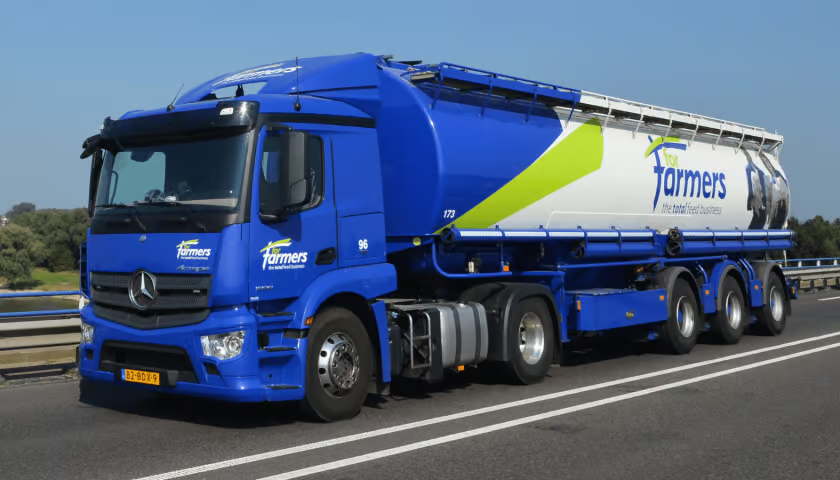
ForFarmers UK seeks approval to expand feed storage at Penrith mill
The extension would create more warehousing space while freeing up room in existing buildings for more effective use, potentially enabling the company to increase feed output over time.