Africa
-
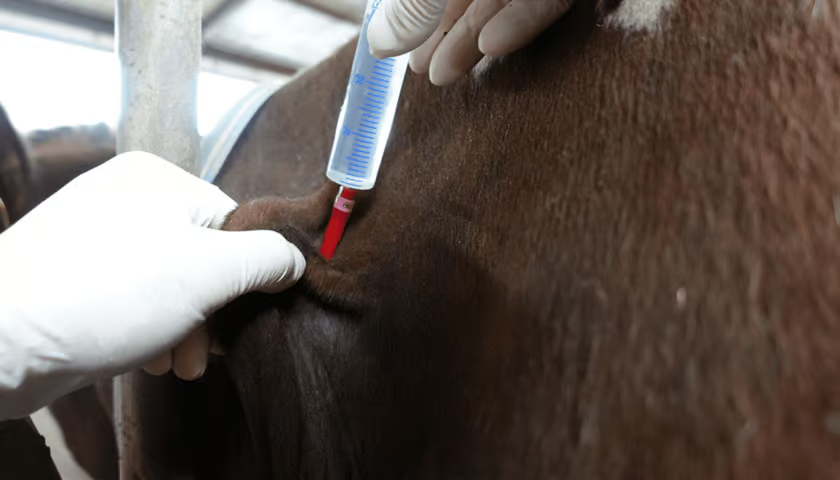
Tunisia pilots BCG vaccine trial to curb bovine tuberculosis
In addition to the risk to public health, Bovine tuberculosis causes general illness, pneumonia, weight loss, and ultimately death in affected animals.
-

Kenya becomes first African nation to secure World Veterinary Association Congress
The 2028 congress is expected to bring together more than 2,000 veterinarians, researchers, policymakers and industry leaders from across the world.
-
AU-IBAR launches continental initiative to strengthen Africa’s pastoral livestock markets
Africa’s livestock productivity depends on stronger feed systems, better market access and increased investment across pastoral value chains.
-
Heifer calls for finance reforms to unlock livestock and feed value chain growth in Africa
The summit also marked the official launch of the Agricultural Finance Technical Working Group (AFTWG).
-
Olam Agri, IDH expand partnership to strengthen sustainable feed value chains in Africa
Beyond Nigeria and Ghana, Olam Agri and IDH intend to identify new food and feed projects across other African markets.
-
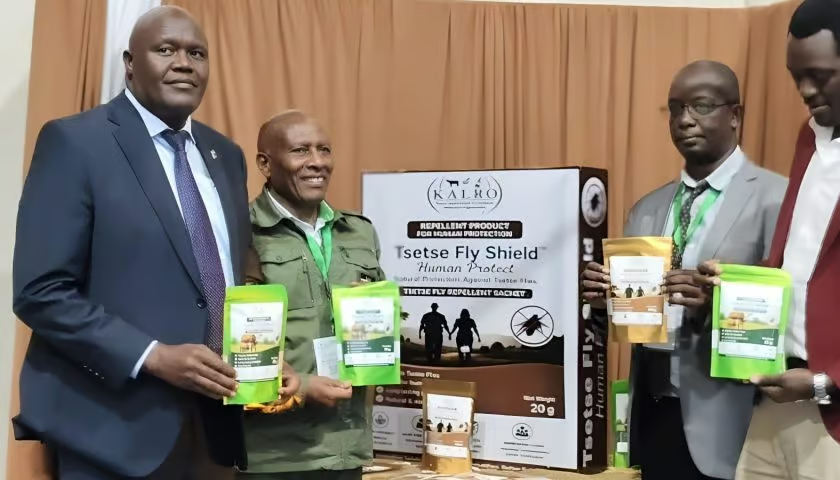
KALRO develops natural tsetse fly repellent to protect livestock from deadly diseases
The eco-friendly Tsetse Fly Shield repellent comes in a sachet.
-
Top 10 Feed Probiotic Companies Driving Livestock Productivity in Africa & the Middle East
As livestock producers across Africa and the Middle East seek alternatives to antibiotic growth promoters, feed probiotics have become an essential tool for improving gut…
-
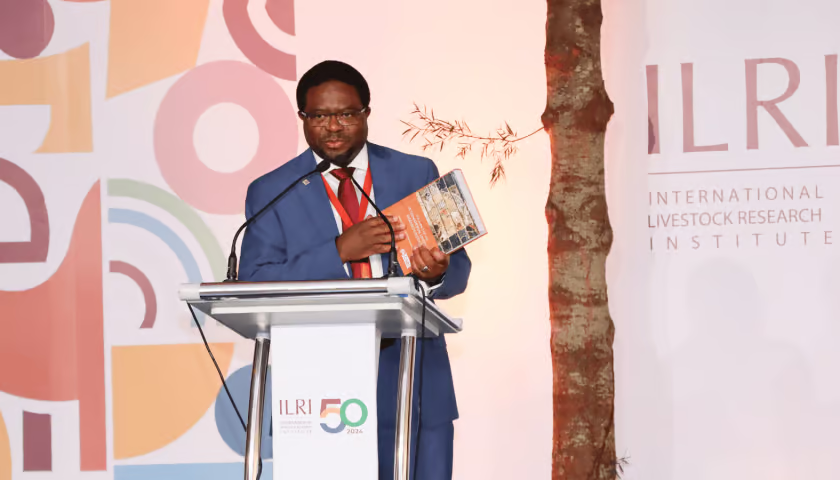
ILRI wins US$1.45M grant to strengthen AI-driven disease surveillance in Africa
The funding will advance AI-driven data analyses for genomics surveillance in low and middle-income countries
-
Russia expands veterinary partnerships across Africa
Beyond high-profile sectors like energy and defence, Russia is developing a more discreet agricultural presence in Africa.
-
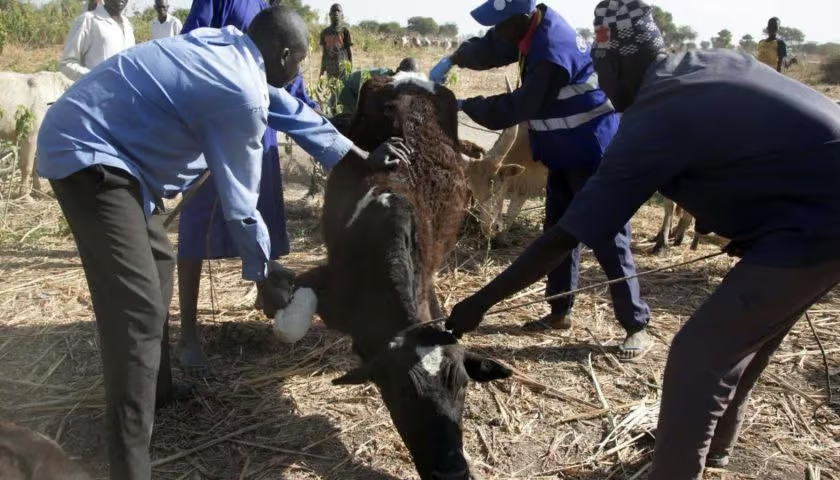
FAO vaccinates over 106,000 livestock in South Sudan
This vaccination campaign shows a growing momentum in African nations as they step up disease control efforts.