Sustainability
-

Maxim Agri, Samakgro to invest US$3.95M in aquafeed plant in Kenya
The facility, to be built in Athi River in Machakos County, will have the capacity to produce more than 20 metric tons of feed per hour.
-

Evonik completes global MetAMINO® integration to strengthen feed additive supply
The project is expected to improve supply security, operational efficiency, and the sustainability of its DL-methionine production.
-
CCPA adopts dsm-firmenich’s Sustell platform to help livestock producers cut emissions
Using Sustell, CCPA can quantify CO₂ emissions at the farm gate, compare nutritional scenarios, and identify solutions.
-
ADM report shows regional differences shaping global demand for pet longevity nutrition
Pet owners are increasingly adopting comprehensive wellness routines to improve their animals’ quality of life.
-
Alltech launches REVELEX platform to improve biogas output
REVELEX enables operators to maximise methane yield, reinforce process stability, and optimise energy extraction from existing resources.
-
dsm-firmenich acquires Verax platform to strengthen AI-driven livestock analytics
Verax™ was first introduced for broilers, where it has been credited with enhancing decision-making and reducing reliance on antibiotics.
-
Mars reaches 100% renewable electricity milestone in U.S.
In 2025, Mars expanded its climate-smart agriculture portfolio to 77 projects across 26 countries and 12 crops.
-
ILRI, Innoterra partner to transform crop residues into sustainable livestock feed
The initiative to transform crop residues into high-quality livestock feed
-
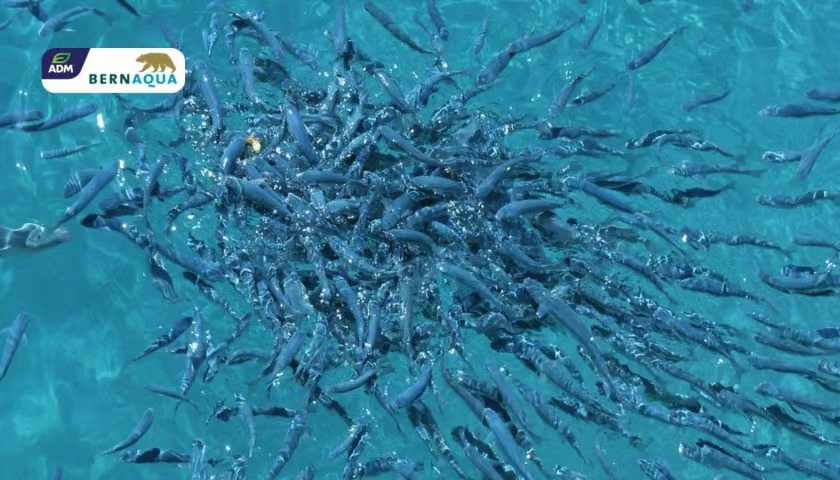
ADM’s BernAqua becomes Belgium’s first BAP-certified aquafeed producer
Certification of Bern Aqua’s Olen feed mill reinforces its leadership in responsible aquaculture, hatchery nutrition, and early-life-stage feed solutions for fish and shrimp producers worldwide.
-
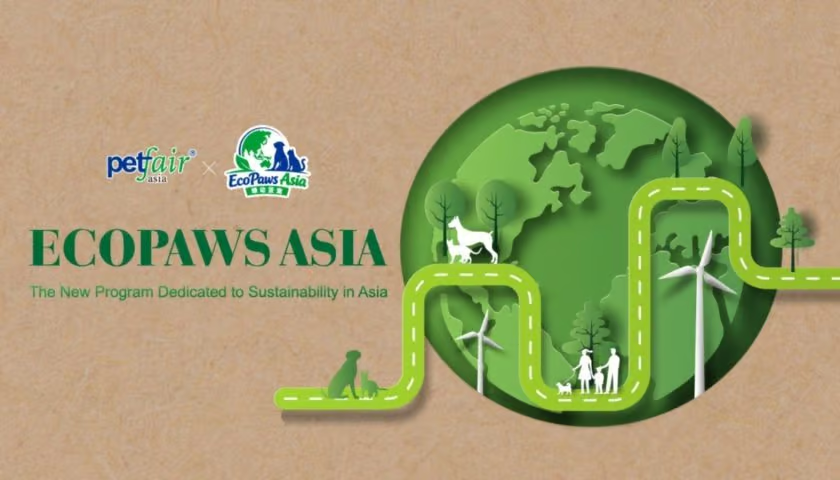
Pet Fair Asia launches EcoPaws Asia sustainability programme ahead of 2026 edition
The initiative, developed with guidance from the Pet Sustainability Coalition, will debut at Pet Fair Asia 2026 in Shanghai this August.