

KALRO targets Kenya’s meat deficit with improved genetics and nutrition
The research shows that improved genetics need to be paired with appropriate nutrition and feeding management to raise beef productivity.
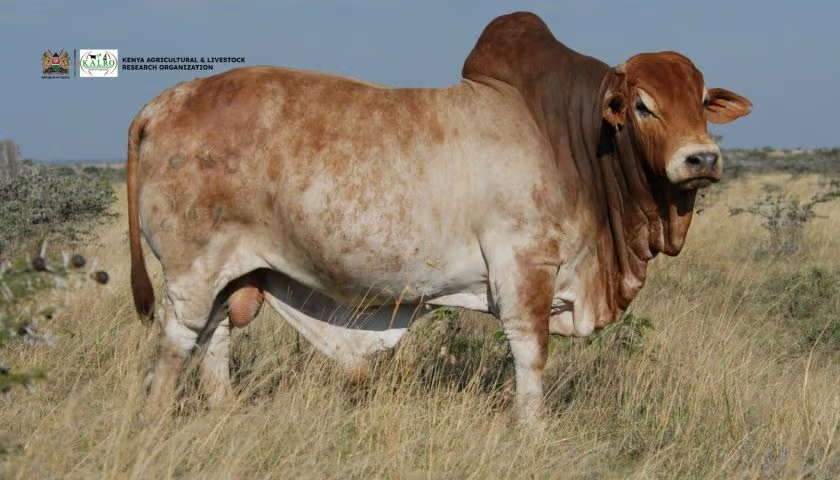
KENYA – Kenya’s livestock researchers are combining improved beef genetics with targeted nutrition and feeding systems to raise cattle productivity and address an estimated 300,000-kilogram annual meat deficit.
Scientists at the Kenya Agricultural and Livestock Research Organization (KALRO) Beef Research Institute in Lanet, Nakuru County, are evaluating cattle that can perform under harsh climatic conditions while efficiently converting available feed into meat.
The research is being highlighted during the 5th Kenya Meat Expo, held from August 26 to 28 at the Kenyatta International Convention Centre (KICC), under the theme “Accelerating Sustainable Growth: Empowering the Next Generation in the Meat Value Chain.”
One of the breeds KALRO is advancing is the Improved Boran, which researchers say combines adaptability to arid and semi-arid conditions with strong meat-production characteristics.
Catherine Ndung’u, a research scientist at the institute, said the breed is suited to areas experiencing high temperatures, water shortages and declining pasture availability.
“The Improved Boran is one of the best breeds that a farmer can rear to improve meat production, particularly because it is well adapted to the local environment,” she said.
Feed critical to beef productivity
The Improved Boran can utilise available pasture in dry environments and travel long distances in search of feed and water.
Under good management, bulls can reach up to 900kg, while females can weigh between 450kg and 500kg.
The breed can also achieve a dressing percentage of about 55% to 60%, according to Ndung’u.
However, researchers emphasise that genetics alone cannot deliver higher beef productivity.
Nutrition and feeding management remain critical, particularly during periods when pasture quality and availability decline.
At KALRO Lanet, finishing cattle undergo about 90 days of controlled feeding, with diets and water formulated according to their nutritional requirements.
The programme targets average daily weight gain of about 1kg during the finishing period, demonstrating the role of targeted feeding in converting genetic potential into marketable beef.
Ndung’u said beef cattle require feeds with adequate energy, protein and minerals, while formulations should reflect their production purpose rather than relying on feed designed for dairy animals.
Researchers also caution farmers against using inappropriate feeding practices to accelerate weight gain, stressing the importance of balanced nutrition and proper management.
The research programme therefore combines breeding with work on feed conversion efficiency, body weight and environmental adaptability.
Improved animals are subsequently made available to farmers, particularly those operating in arid and semi-arid areas.
Breeding for climate resilience
KALRO is also conducting crossbreeding research involving Improved Boran and Orma Boran cattle.
The programme aims to combine the Improved Boran’s body-weight characteristics with the Orma Boran’s tolerance to diseases such as trypanosomiasis.
The research is becoming increasingly relevant as climate change places additional pressure on livestock production through higher temperatures, reduced pasture availability and water stress.
For farmers, Ndung’u said selecting the right genetics remains an important first step, alongside appropriate nutrition and management.
“But choosing the right animal is critical,” she said.
The commercial potential of improved beef production is also being demonstrated further along the value chain.
John Njoroge, owner of Oasis Meat Centre in Lanet, has sourced cattle from KALRO’s Beef Research Institute for the past two years, citing the quality of the animals and meat.
“Consumers are keen on quality meat, and our business is to ensure we provide this to them,” Njoroge said.
He sells between 100kg and 200kg of beef on a good day and supplies customers including prisons, hospitals and schools.
With demand for quality beef rising, the combination of adapted genetics, efficient feeding and improved management could help Kenyan producers increase output while making better use of limited feed and natural resources.
The research highlights the importance of integrating genetics, nutrition and climate resilience rather than treating beef production as a breeding challenge alone.
Sign up HERE to receive our email newsletters with the latest news updates and insights from Africa and the World, and follow us on our WhatsApp channel for updates.


Be the first to leave a comment