
Africa moves closer to harmonised animal feed standards
The standardisation process comes as African countries seek to strengthen intra-African trade under the African Continental Free Trade Area (AfCFTA).
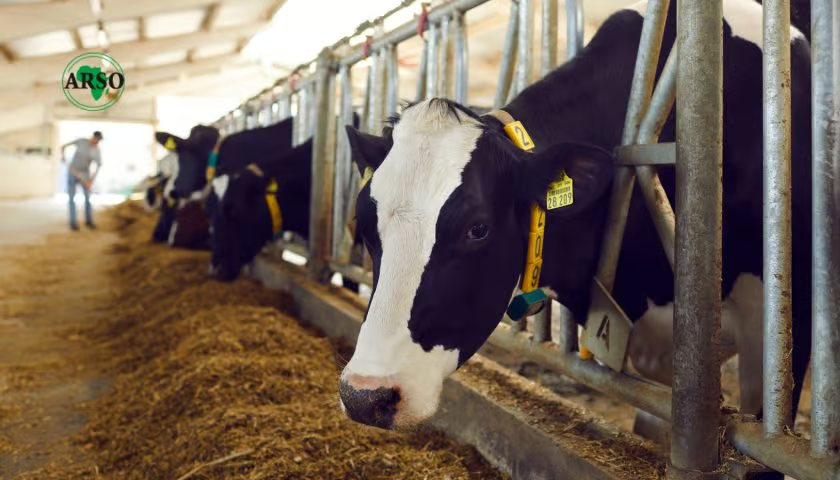
AFRICA – African countries have advanced efforts to establish common standards for the animal feed value chain following the 17th meeting of the African Organisation for Standardisation’s Technical Committee on Animal Feeds and Feed Materials (ARSO/TC 17), held in Nairobi, Kenya, from 18 to 20 August 2026.
The meeting brought together about 28 members and experts from 13 ARSO member states to harmonise 27 African standards covering key areas of the animal feed value chain.
The Algerian Institute of Standardization (IANOR) participated in the meeting, contributing to discussions on developing consistent technical requirements for feed products and production practices across African markets.
Discussions focused on standards covering compound feeds and feed materials, alongside good practices for production, processing, storage and transportation.
Participants also examined methods for sampling and analysing feed products.
The Technical Committee will now continue reviewing comments received through national consultations before the draft standards progress to subsequent approval stages.
Harmonised standards could support feed trade
The standardisation process comes as African countries seek to strengthen intra-African trade under the African Continental Free Trade Area (AfCFTA).
Differences between national standards and technical requirements can create barriers for companies trading feed products and raw materials across borders.
Harmonised requirements are expected to help reduce these technical barriers and facilitate the movement of products between African markets.
For the animal feed sector, the proposed standards cover several stages of the value chain, potentially providing regulators and industry players with a common reference for production, handling and quality assessment.
The initiative could also support greater consistency in feed quality and safety requirements as African livestock industries expand and demand for commercial feed increases.
The next phase of work will involve assessing feedback from national consultations.
This process will determine how the draft standards are refined before moving through the relevant approval procedures.
IANOR said Algeria would continue contributing technical expertise through its participation in continental standardisation activities.
The institute also reaffirmed its commitment to strengthening cooperation with other African standardisation bodies and supporting efforts to develop a more integrated continental standardisation system.
The Nairobi meeting highlights the growing role of technical standardisation in Africa’s livestock and feed sectors.
Beyond improving consistency across the feed value chain, harmonised standards could help create more predictable trading conditions and support the broader objectives of African economic integration.
Sign up HERE to receive our email newsletters with the latest news updates and insights from Africa and the World, and follow us on our WhatsApp channel for updates.
Be the first to leave a comment