GRAINS, COMMODITY & TRADE UPDATES
-
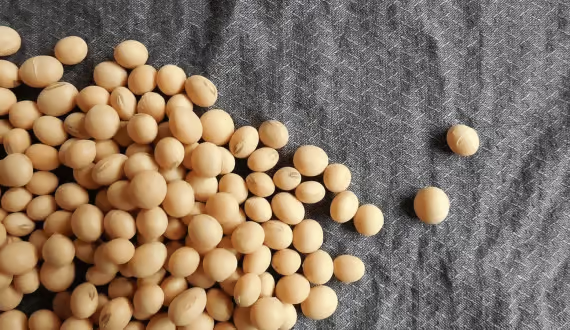
Brazilian soy traders move to exit Amazon soy moratorium, raising deforestation concerns
The soy moratorium bars signatory companies from purchasing soybeans grown on farms in the Amazon biome that were deforested after July 2008.
-

Philippines wheat imports set to rise 16.5% in MY 2025/26 on feed, food demand
From September to October 2025, import prices for feed wheat exceeded those of corn by US$ 6.46 and US$ 10.11 per metric ton, respectively.
-
Bunge, Mantiqueira Brasil seal deal for traceable, low-carbon soybean meal
The soybean meal supplied under the agreement has an estimated carbon footprint between 40% and 70% lower than the Brazilian average.
-
Bunge Brazil certifies sustainable soybeans for SAF
The certification verifies that soybeans processed at the facility carry a low risk of indirect land use change (LUC).
-
Japan’s feed industry shifts toward corn as rice prices remain elevated
Japan’s rice sector has faced significant challenges since the 2024 shortage, exacerbated by historically low stocks and adverse weather.
-
Turkey raises zero-duty grain import quotas to 1M tons amid market pressures
Meanwhile, producers fear that a wave of duty-free imports could depress farmgate prices just as new-season barley and corn enter the domestic market.
-
Ukraine’s corn market faces mounting delays as logistics deteriorate, pushing prices upward: Platts
Logistical costs have surged dramatically, with traders reporting that transport costs have jumped by US$15–US$20, nearly doubling compared to earlier in the season.
-
SIMEZA silos celebrates 50 years of excellence in grain storage
The company provides grain storage solutions to a wide range of clients across the agricultural, industrial, and farm sectors in Europe, the Middle East, Africa, and Latin America.
-
Bangladesh commits US$1.25B to U.S. soy in landmark deal
Soybean meal is a key component in animal feed, making the deal a significant boost for the nation’s food security and livestock productivity.
-
FEFAC warns of looming soy supply chain disruptions under EU deforestation rules
According to the federation, market instability has already emerged following conflicting signals about potential European Union Deforestation Regulation (EUDR) postponements.