

Evonik petitions FDA for approval of Bacillus strain in animal feed
Probiotics such as this strain have gained increasing attention in animal production systems since restrictions on antibiotic use were tightened globally.
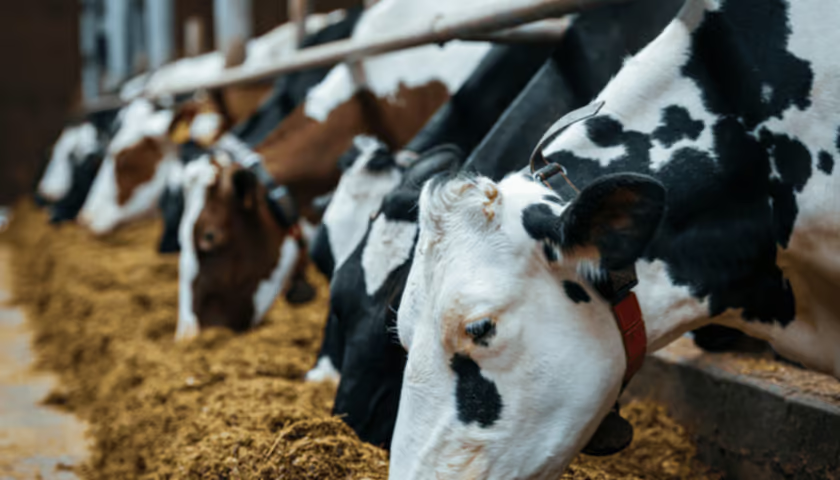
USA – Evonik Corp. has formally petitioned the U.S. Food and Drug Administration (FDA) to amend its food additive regulations and allow the use of Bacillus velezensis as a probiotic in animal feed for all species.
The petition, filed on July 18, 2025, positions the specialty chemicals company at the forefront of efforts to introduce next-generation feed additives that promote animal health while reducing reliance on antibiotics.
The FDA confirmed receipt of the petition, which proposes that B. velezensis be recognised as a safe source of viable microorganisms in animal food and drinking water.
According to the filing, Evonik argued that the strain “does not individually or cumulatively have a significant effect on the human environment. In addition, the petitioner has stated that, to their knowledge, no extraordinary circumstances exist that may significantly affect the quality of the human environment.”
Scientific evidence supports petition
The petition builds on a growing body of research into Bacillus species as feed probiotics. A 2023 poultry study demonstrated that B. velezensis can produce enzymes such as protease, cellulase, amylase and glucanase, while secreting antibacterial substances that suppress harmful pathogens.
The study also showed that the strain remained stable during feed preparation, strengthening its candidacy as a reliable feed additive.
Researchers concluded that B. velezensis has significant potential to improve gut health, enhance nutrient utilisation and promote growth performance in livestock, benefits that could offer producers a sustainable alternative to antibiotic growth promoters.
Probiotics such as this strain have gained increasing attention in animal production systems since restrictions on antibiotic use were tightened globally.
FDA review process underway
The FDA will now evaluate the petition under its food additive review framework. If the agency determines that the additive qualifies for a “categorical exclusion,” no environmental impact statement will be required.
Should an exclusion not apply, the FDA will request a full environmental assessment, which would be made available for public inspection.
Regulators will also consider strain-specific safety factors, such as the absence of toxin-producing genes and antibiotic resistance markers, before granting approval.
Evonik has chosen the food additive petition (FAP) route, rather than the “Generally Recognized as Safe” (GRAS) pathway, signalling a comprehensive approach to regulatory approval.
Evonik’s position in animal nutrition
Evonik Corp., the North American arm of Evonik Industries based in Germany, is a leading player in the global specialty chemicals sector.
Within animal nutrition, the company offers a wide range of solutions, including amino acids, functional feed additives, feed quality services and farm management tools.
Its latest petition underscores its commitment to advancing probiotic technologies that align with sustainable livestock production practices.
If approved, the use of B. velezensis could mark a milestone for Evonik and for the broader animal feed industry by expanding the toolkit of safe, effective alternatives to antibiotics in modern animal production.
Sign up HERE to receive our email newsletters with the latest news updates and insights from Africa and the World, and follow us on our WhatsApp channel for updates.


Be the first to leave a comment