

Tunisia pilots BCG vaccine trial to curb bovine tuberculosis
In addition to the risk to public health, Bovine tuberculosis causes general illness, pneumonia, weight loss, and ultimately death in affected animals.
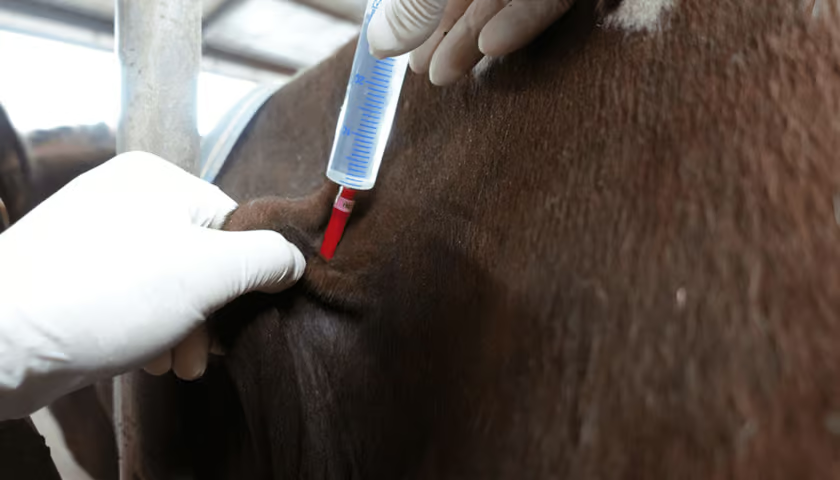
TUNISIA – Tunisia will launch a pilot trial of the BCG vaccine against bovine tuberculosis as part of efforts to strengthen livestock health and support the country’s plan to rebuild its cattle sector after years of declining herd numbers.
The Ministry of Agriculture announced the decision following a review of a national study assessing the vaccine’s efficacy and associated risks.
The pilot programme will evaluate the vaccine’s effectiveness under Tunisian farming conditions, together with its economic and animal health benefits, before any decision is made on nationwide adoption.
According to the ministry, vaccination could become an additional tool alongside existing disease-control measures, which include epidemiological surveillance, biosecurity, livestock movement controls, routine herd testing and the sanitary culling of infected animals.
“The adoption of the BCG vaccine against bovine tuberculosis could be a promising and effective option for reducing the spread of the disease,” the ministry said.
Disease threatens livestock productivity and food safety
Bovine tuberculosis, caused by the bacterium Mycobacterium bovis, affects cattle and other livestock species and poses a public health risk through direct contact with infected animals or consumption of contaminated meat and unpasteurised milk.
The disease reduces livestock productivity by causing chronic illness, weight loss, respiratory problems and, in severe cases, death.
Infected animals are often removed from production through compulsory culling, resulting in significant economic losses for farmers.
According to Tunisia’s Order of Veterinary Surgeons, about 1,500 human tuberculosis cases are recorded annually, with nearly 80% believed to be linked to animal transmission.
The disease remains present in the country’s livestock sector.
In April 2026, authorities confirmed six cases of bovine tuberculosis in calves at a municipal slaughterhouse in Sousse, highlighting the continued circulation of the disease.
Animal health key to rebuilding livestock sector
The vaccination initiative forms part of Tunisia’s broader 2026-2030 livestock recovery strategy, which aims to rebuild cattle and small ruminant populations, expand forage production, digitalise livestock monitoring and strengthen veterinary services.
The programme comes after a prolonged drought and economic pressures that have significantly reduced national livestock numbers.
According to the National Institute of Statistics, Tunisia’s combined cattle, sheep and goat population declined from approximately 8.37 million head in 2016 to 5.94 million in 2022, representing a nearly 30% reduction.
Livestock farming accounts for 38% of Tunisia’s agricultural GDP and employs 22% of the agricultural workforce, making disease control a critical component of efforts to restore production.
If the pilot demonstrates positive results, vaccination could reduce disease-related losses and limit the need for widespread culling, helping safeguard herd rebuilding while strengthening food safety and livestock productivity.
Sign up HERE to receive our email newsletters with the latest news updates and insights from Africa and the World, and follow us on our WhatsApp channel for updates.


Be the first to leave a comment