

dsm-firmenich scales single-cell protein for aquaculture and pet nutrition
The aim is to produce around 400-500 tons from mid-next year onward to seed the market and support customer trials.

NETHERLANDS – dsm-firmenich Animal Nutrition & Health is preparing to scale its Protopia single-cell protein technology, with a 120,000-litre fermentation run planned later this year as it targets aquaculture and pet food applications.
The company has already produced Protopia batches in a 15,000-litre fermenter for customer trials and plans to move into a larger European facility in 2027, with potential production of 2,000-10,000 tonnes annually.
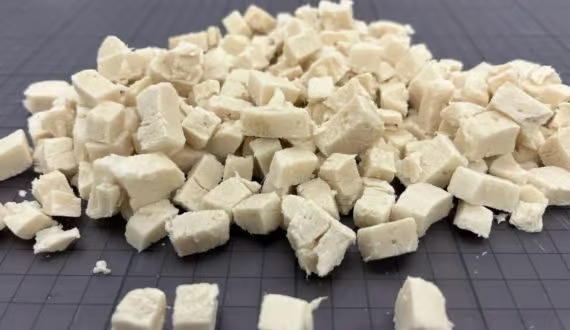
Protopia is produced by fermenting torula yeast and harvesting the resulting biomass.
dsm-firmenich says its optimised strain can deliver 2-3 times the productivity of most liquid biomass fermentation systems and can use a range of feedstocks, including ethanol, methanol, acetate, sugar and molasses.
The ingredient contains at least 70% protein and has a protein digestibility-corrected amino acid score (PDCAAS) of around 0.94-0.96.
Protopia targets fishmeal replacement in feed
dsm-firmenich is positioning Protopia as an alternative to fishmeal, particularly in salmon diets.
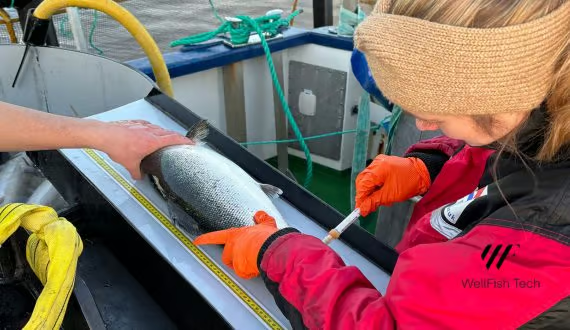
The company says trials with aquaculture producers have shown that the ingredient can replace fishmeal at a 1:1 ratio.
The opportunity comes as feed manufacturers face pressure from fishmeal availability and prices, particularly following disruptions to Peru’s anchovy fishery.
Director of Single Cell Protein Karim Kurmaly said the company has focused on achieving competitive production economics from the beginning.
“We optimized the process tech and the strain to get higher yields and significantly higher productivity. We also had to make the strain versatile enough to be feedstock agnostic,” he said.
The company is also testing Protopia in pet food, where palatability and cost remain key considerations for manufacturers.
Independent kennel trials have reportedly shown positive results against competing protein sources.
For both aquaculture and pet food, downstream processing involves dewatering, pasteurisation and drying, without requiring specialised equipment.
“The strain is the magic, not the facility, not the steel and the concrete,” Kurmaly said.
Licensing model planned for wider production
dsm-firmenich ultimately plans to expand Protopia production through licensing rather than owning multiple manufacturing plants.
Under the model, local partners would provide production infrastructure while dsm-firmenich supplies the yeast strain, process technology, technical expertise and support.
The company is already working on licensing agreements in three countries and expects to produce around 400-500 tonnes from mid-next year to support market development and customer trials.
The technology is backed by more than 18 patents covering the strain, process technology and applications.
Beyond Europe, dsm-firmenich sees India, Brazil, China and the US as potential markets where access to low-cost feedstocks and existing fermentation infrastructure could support commercial production.
Sign up HERE to receive our email newsletters with the latest news updates and insights from Africa and the World, and follow us on our WhatsApp channel for updates.
Be the first to leave a comment