

Benin’s soybean export ban to boost local processing, feed sector
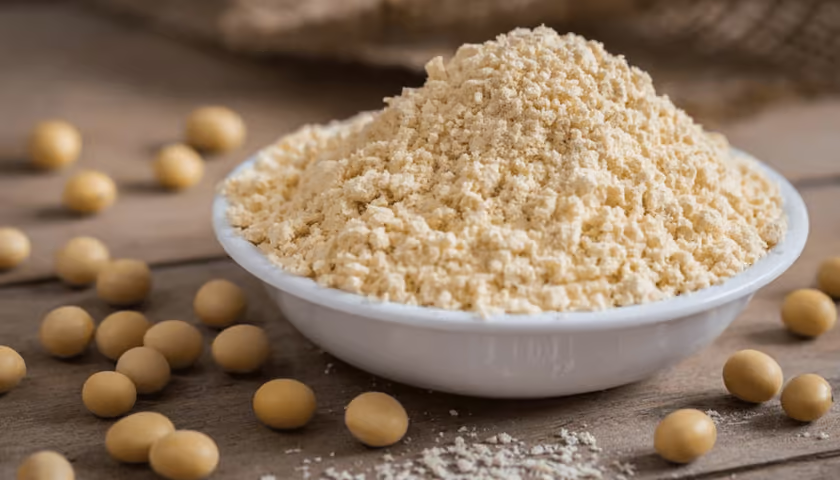
BENIN – Benin, one of West Africa’s key soybean producers, has officially implemented a ban on the export of unprocessed soybeans.
This strategic move aims to stimulate local processing, strengthen the country’s industrial base, and add significant value to its agricultural sector. This development could profoundly impact the animal feed industry in the region.
The government announced in December 2024 that the 2024/2025 soybean purchase price would be 275 CFA francs (US$0.44) per kilogram, slightly up from 270 CFA francs (US$0.43) last year. The new campaign, which runs until April 2025, will mark the first full season under the export ban.
Soybeans play a pivotal role in feed manufacturing, particularly as a protein source in animal feed formulations. With the export ban ensuring a steady supply of raw soybeans within Benin, local processors now have greater access to this vital input.
This availability is expected to lower dependency on imports of processed soybean meal, offering cost advantages to local feed millers and strengthening the domestic supply chain.
Facilities such as Benin Organics, launched in March 2023 within the Glo-Djigbé Industrial Zone (GDIZ), are positioned to take advantage of this policy shift.
The plant processes organic soybeans into soybean meal, crude oil, and lecithin, vital components for animal feed production.
By doubling its processing capacity in 2024 to over 60,000 tonnes annually, Benin Organics could emerge as a key supplier to the region’s animal feed sector.
According to the Directorate of Agricultural Statistics (DSA), Benin’s soybean production has been steadily increasing, from 257,000 tonnes in 2019 to over 520,900 tonnes in 2023, an average annual growth of 15.17%.
With a robust supply and a commitment to local processing, Benin is well-positioned to meet the rising demand for soybean meal across West Africa’s livestock and aquaculture sectors.
This comes at a time when regional feed manufacturers are grappling with price volatility and raw material shortages.
Additionally, the export ban aligns with growing African trends to retain agricultural produce for value addition, job creation, and industrialisation.
A more stable and affordable supply chain would benefit the feed industry, which heavily relies on soybean meal as a high-protein feedstock for poultry, fish, and livestock.
Despite the potential advantages, the government remains vigilant against illegal exports, which could threaten the ban’s success.
Authorities have cautioned that unregulated cross-border trade could undermine efforts to grow the processing sector and stabilise local feed production.
“Such a situation is detrimental to the sector’s growth, to the industrialisation efforts underway in our country, and to the creation of the many jobs that result from it,” noted a government statement.
Ensuring compliance and streamlining soybean value chains will be critical for Benin to realise the full benefits of the export restriction.
The focus on industrialisation promises economic gains and solidifies Benin’s position as a reliable supplier of soybean products to feed manufacturers regionally and beyond.
Sign up HERE to receive our email newsletters with the latest news updates and insights from Africa and the World and follow us on our WhatsApp channel for updates.
Be the first to leave a comment