

US$500M facility could expand US feed exports to Africa
Priority products include agricultural commodities such as grains and soybeans, alongside machinery, vehicles, electrical equipment, steel and other goods.
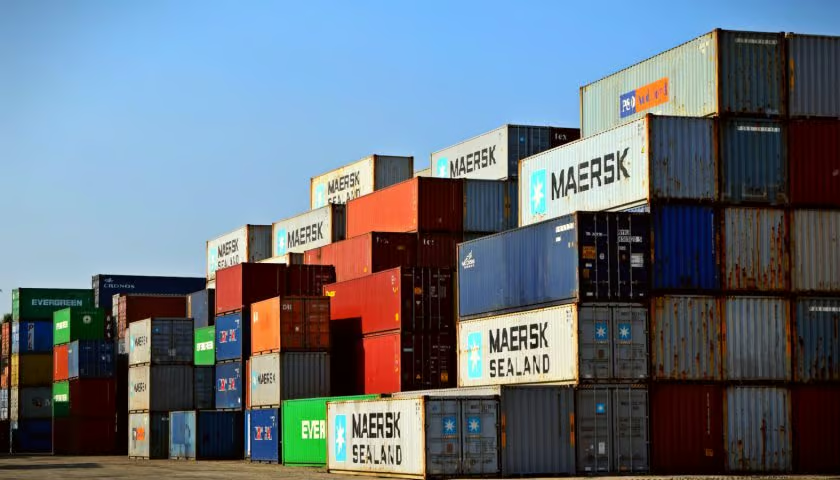
AFRICA – A new US$500 million U.S. trade finance facility could make it easier for African banks to finance purchases of U.S. agricultural products, including grains, soybeans and animal feed, potentially expanding access to imported feed ingredients and other farm commodities.
Approved by the U.S. International Development Finance Corporation (DFC) on 16 September, the facility will provide a counter-guarantee to the International Finance Corporation (IFC) for its Global Trade Finance Program.
The mechanism is designed to help foreign banks increase their ability to finance purchases of U.S. goods.
DFC said the facility could support up to US$20 billion in U.S. exports to emerging markets in Africa, South America and Southeast Asia.
Priority products include agricultural commodities such as grains and soybeans, alongside machinery, vehicles, electrical equipment, steel and other goods.
What it could mean for Africa’s feed sector
The agricultural component is particularly relevant to Africa’s livestock and feed industries. The U.S. Department of Agriculture (USDA) has identified poultry, beef, grains, soybeans, animal feed, dairy products and food ingredients among the products with export opportunities in West African markets.
Improved access to trade finance could help African importers and banks fund purchases of these products, although the DFC facility does not specifically allocate financing to feed or agricultural commodities.

The initiative comes as the U.S. is also working to expand agricultural market access in Africa. A USDA agribusiness trade mission to Accra, Ghana, is focused on connecting U.S. exporters with buyers in Ghana and other West African markets.
For feed manufacturers and livestock producers, greater access to imported grains and soybean products could provide another source of raw materials for feed production.
The potential impact will depend on which African banks and markets participate, the commodities purchased and the competitiveness of U.S. products against alternative suppliers.
DFC has not yet identified the African banks or countries that will initially benefit. The agency said it will begin with banks in countries that have historically been active importers of U.S. goods.
The facility therefore adds a financing tool to wider U.S. efforts to expand agricultural trade with Africa, while its direct impact on feed ingredient availability and costs will depend on how the programme is implemented in individual markets.
Sign up HERE to receive our email newsletters with the latest news updates and insights from Africa and the World, and follow us on our WhatsApp channel for updates.


Be the first to leave a comment