
Senegal
-
Senegal plans US$1.7M livestock traceability strategy to curb theft
This initiative responds to the continued economic impact of livestock theft in Senegal.
-

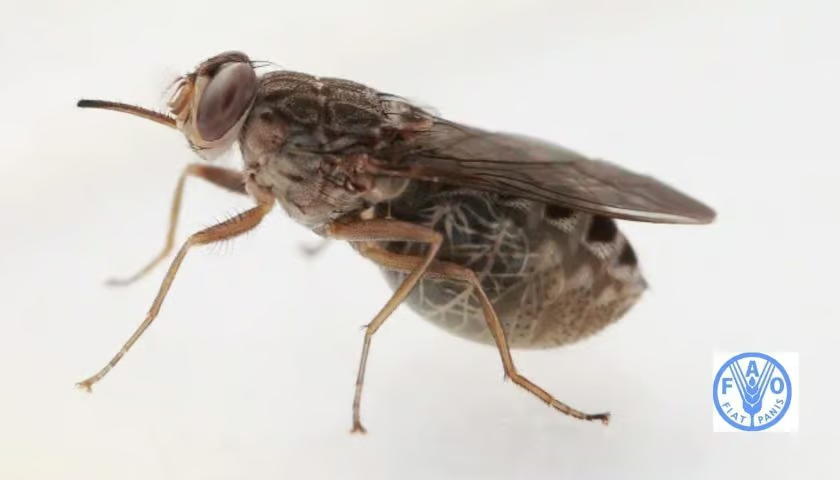
Senegal’s tsetse eradication programme transforms livestock production
The programme has reduced tsetse fly populations in the Niayes region by more than 99%, effectively eliminating trypanosomosis from most areas.
-
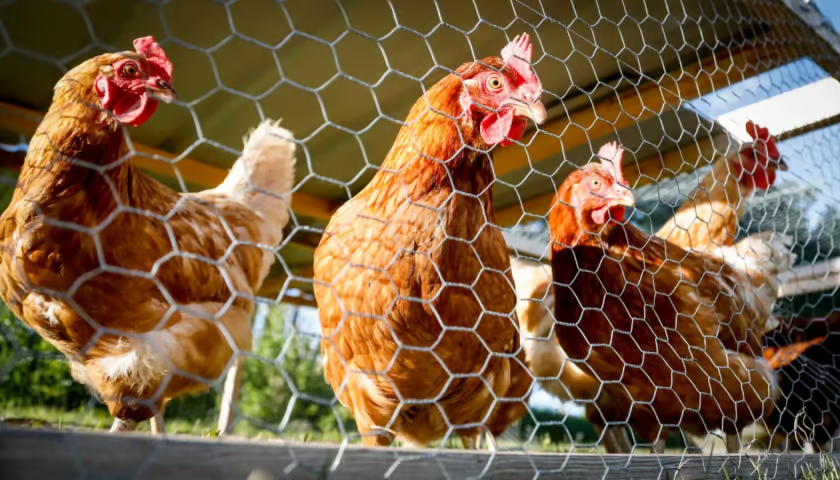
H5N1 resurges across West Africa as poultry industry faces renewed disease threat
Since the beginning of 2026, several West African countries have reported new outbreaks of highly pathogenic avian influenza (H5N1).
-
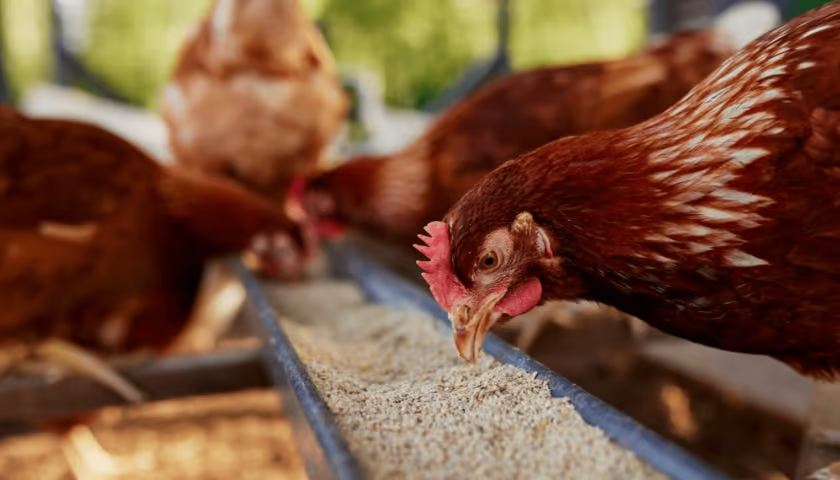
Senegal’s SedapTech expands digital poultry management solutions for farmers
Technology adoption helps poultry producers reduce losses and improve operational efficiency.
-
Senegal to invest US$64.9M in aquaculture expansion
The plan targets aquaculture output of 20,000 tonnes by 2030, up from 3,049 tonnes in 2025.
-
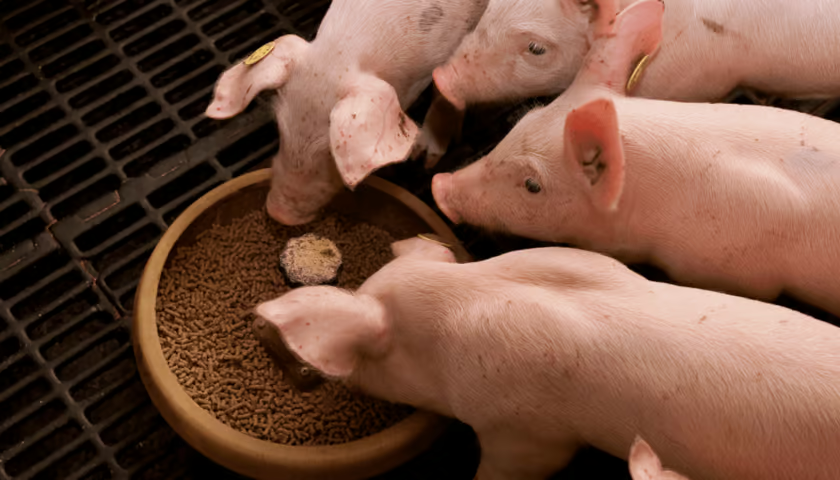
Senegal to build first pig feed factory in Casamance to boost local production
Authorities believe that the pig feed plant will not only support the region’s farmers but also enhance national food security and create new economic opportunities.
-
Heifer International, RESOPP launch forage farming initiative to boost dairy sector
This initiative is part of the larger five-year Meliteji-WASU project (2024-2029), funded by the Mastercard Foundation.
-
African Ministers announce stronger support for pastoralism at AFSF 2025
Thirteen countries committed to boosting livestock productivity and livelihoods as demand for meat and milk surges.
-
-