H5N1
-

Multiple countries confirm new cases of bird flu
Authorities are imposing containment measures as governments monitor risks to food supply and public health.
-

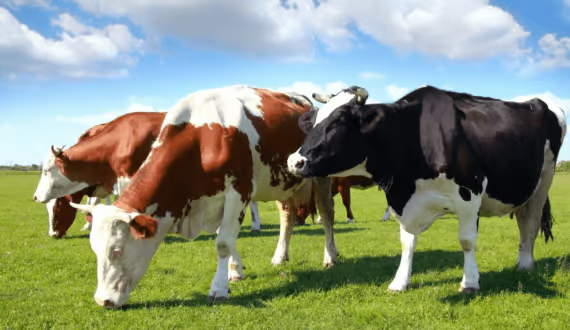
H5N1 adaptation in USA dairy herds sparks biosecurity concerns
H5N1 is a subtype of the influenza A virus that primarily causes avian influenza in birds, but it can also infect mammals.
-
First bird flu cases confirmed in cats in the Netherlands
H5N1 infections in cats have been reported in other countries globally, often linked to consuming infected birds, raw meat, or contaminated farm products.
-
WOAH raises alarm over spread of avian influenza in cattle
The organization urged members to share genetic sequences of avian influenza viruses in public databases and to employ scientifically justified import measures rather than blanket trade bans.
-
Bird flu outbreak expands across Europe in earliest surge in a decade
The World Organisation for Animal Health (WOAH) confirmed that Belgium and Slovakia became the latest countries to report cases this week.
-
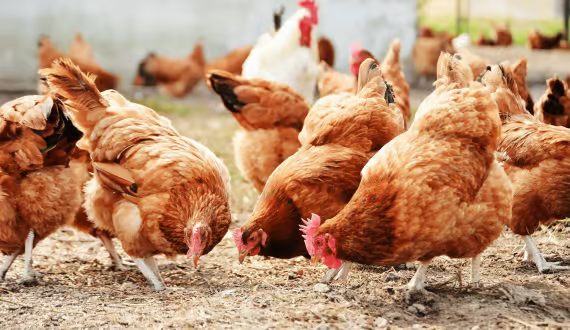
71,000 chickens to be culled after bird flu outbreak in the Netherlands
The case underscores how avian flu remains a persistent threat to animal health and trade stability.
-
Argentina regains H5N1-free status after containing avian influenza outbreak
Argentina had previously declared itself free of H5N1 in August 2023 following a successful stamping-out and surveillance campaign.
-
EFSA, European Commission launch #NoBirdFlu toolkit to combat avian influenza
With migratory birds clustering in Europe during winter months, proactive biosecurity is essential to prevent infections from entering farms.
-
FFAR advances decontamination strategy for HPAI-infected milk
The research announcement coincided with confirmation of a major new HPAI H5N1 outbreak in Jefferson County, Wisconsin involving more than 3 million birds.
-
Chinese delegation to visit Brazil’s bird flu-hit state as poultry talks advance
The discussions coincide with Brazil being selected by FAO to host an international meeting on bird flu prevention and control later this year.