

H5N1 adaptation in USA dairy herds sparks biosecurity concerns
H5N1 is a subtype of the influenza A virus that primarily causes avian influenza in birds, but it can also infect mammals.
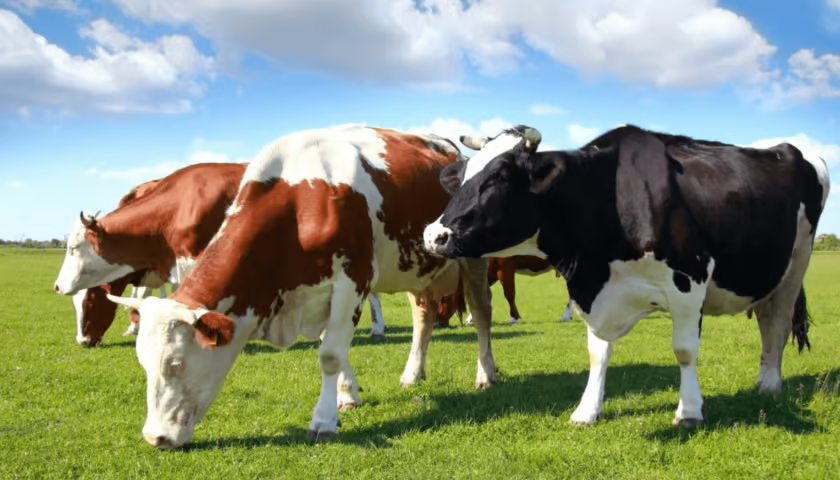
USA – Scientists are intensifying efforts to understand how the H5N1 avian influenza virus, widely known as bird flu, is adapting to infect dairy cattle in the United States.
This unexpected development has raised fresh concerns about animal health, biosecurity, and the long-term implications for human health.
The virus was first identified in US dairy herds in March 2024, marking a significant shift from historical patterns, as influenza viruses have not traditionally caused outbreaks in cattle.
Researchers believe this emergence reflects the virus’s well-known ability to jump from birds to mammals.

However, new scientific evidence suggests that recent H5N1 variants may be better suited to infecting cow cells and tissues than earlier strains.
This growing adaptability has prompted global attention from virologists, veterinarians, and public health experts monitoring zoonotic disease risks.
A study published in Nature Communications by the MRC–University of Glasgow Centre for Virus Research examined a wide range of H5N1 viruses spanning more than 60 years.
The findings reveal that the virus’s ability to infect bovine cells is linked to genetic changes that have built up gradually over time.

Some strains demonstrated a stronger capacity to replicate in cattle cells, highlighting clear differences between virus lineages and their potential to adapt to new mammalian hosts.
Influenza viruses are known for their rapid evolution, which enables them to cross species barriers.
As H5N1 becomes more efficient at infecting mammals such as cattle, scientists warn that the theoretical risk of further adaptation including to humans may increase.
Previous events, including the 2009 swine flu pandemic, illustrate how animal-origin influenza viruses can eventually pose global public health challenges.
Current data suggests that the strain circulating in US dairy cattle is among the most capable of infecting bovine cells identified so far.
However, researchers caution that other bird-origin viruses could also infect cattle under the right conditions.
This highlights the need for continuous surveillance, advanced genomic analysis, and functional testing of circulating strains.
Ongoing monitoring of H5N1 in livestock is considered essential for early risk detection, safeguarding agricultural systems, and strengthening pandemic preparedness in an increasingly interconnected world.
Sign up HERE to receive our email newsletters with the latest news updates and insights from Africa and the World, and follow us on our WhatsApp channel for updates.



Be the first to leave a comment