
Feed Industry
-
ADM’s BernAqua becomes Belgium’s first BAP-certified aquafeed producer
Certification of Bern Aqua’s Olen feed mill reinforces its leadership in responsible aquaculture, hatchery nutrition, and early-life-stage feed solutions for fish and shrimp producers worldwide.
-

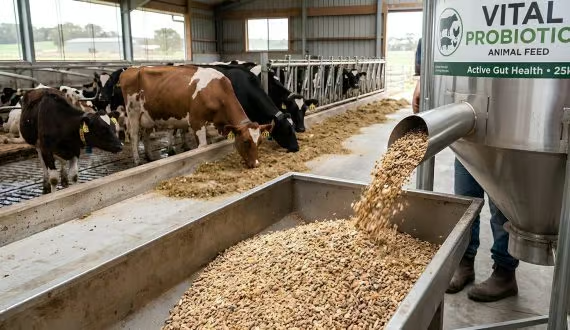
Probiotic animal feed market set to double as livestock sector shifts away from antibiotics
Probiotic animal feed market to surpass US$12.3 billion by 2033
-
Aquaculture faces ingredients shortage as Peruvian anchovy fishing ban extends
The ongoing suspension adds uncertainty to global fishmeal and fish oil supplies.
-
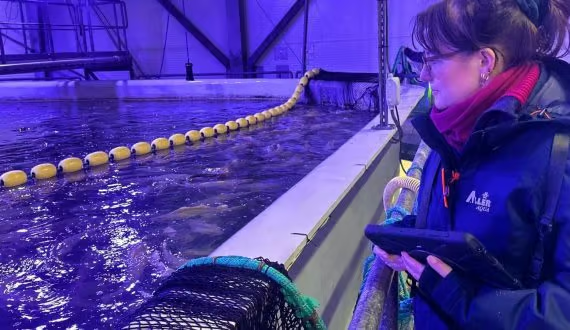
Havland, Aller Aqua partner to develop specialised cod feed
Together, we work to develop feed solutions tailored specifically to cod, with a focus on supporting the species throughout its life cycle – Aller Aqua
-
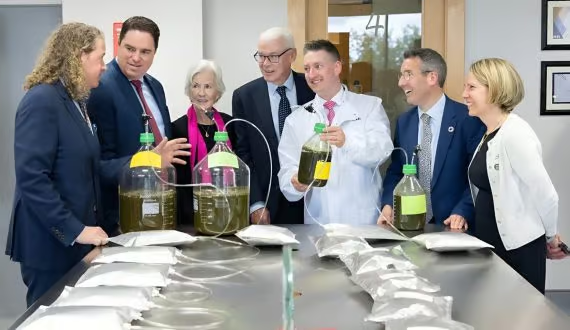
Alltech opens EU research facility to support better feed efficiency, manure use and farm energy production
This focus will improve feed efficiency and nutrient utilisation while directly addressing methane emissions, waste management and renewable energy systems linked to livestock production.
-
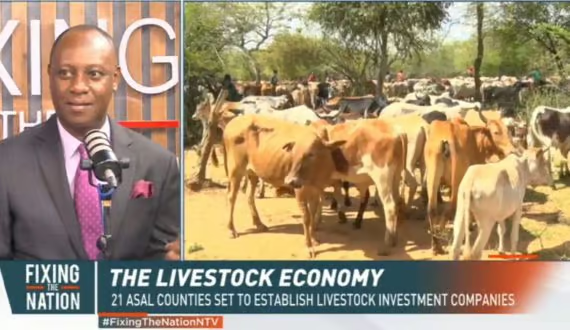
Kenya livestock reforms shift toward aggregation, feed efficiency and export-driven value chains
Kenya’s livestock base remains one of the largest in Africa, forming the backbone of livelihoods in arid and semi-arid regions.
-
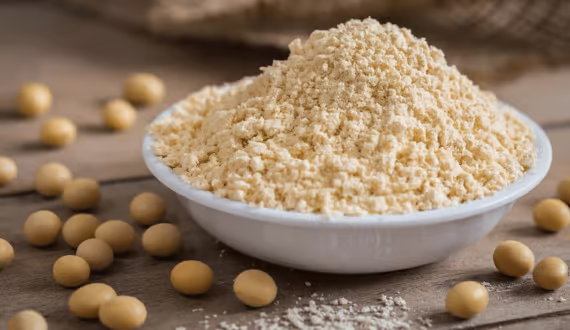
Chinese soybean meal prices hit 2026 lows amid growing supply pressure
China’s soybean meal market continues to decline, with prices in several regions falling to US$408, below the previous yearly low.
-
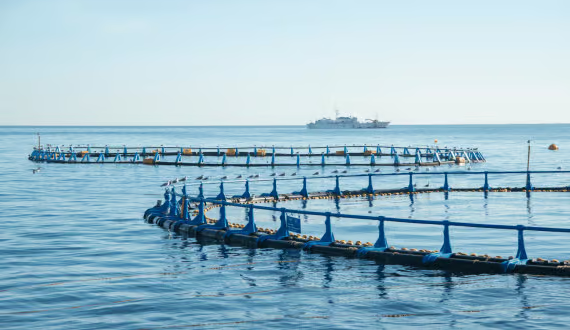
Singapore launches aquafeed innovation centre to boost sustainable aquaculture production
The new research and development centre aims to bridge the gap between laboratory research and full commercial feed production.
-
Researchers turn cocoa waste into feed, cutting methane emissions by 44%
They’ve developed a compressed mineral lick block and a powdered formulation, which incorporates up to 30% cocoa waste
-
Agroprodservice invests US$36M in new feed mill in Ukraine
The facility will have an annual feed production capacity of 400,000 tonnes and is expected to become operational in 2027