

US reopens Mexico livestock imports as New World screwworm risks ease
The move marks a significant step in restoring cross-border livestock trade while maintaining strict biosecurity measures.
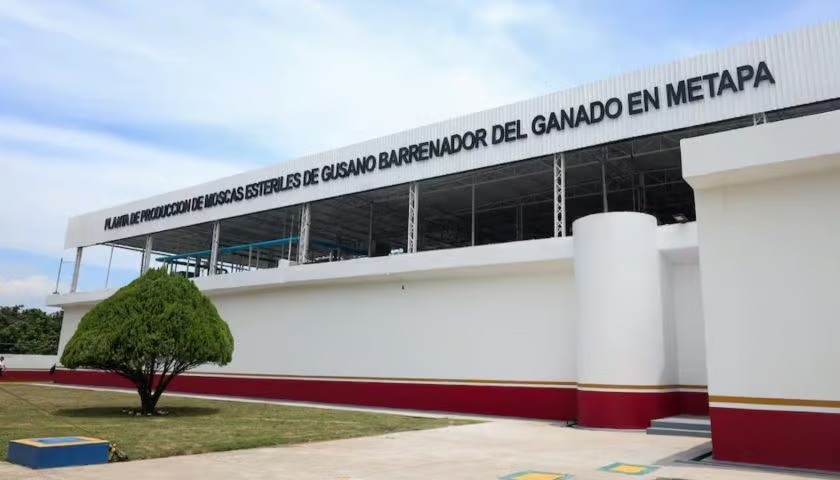
US, MEXICO – The United States has reopened livestock imports from Mexico through selected southern border ports after months of restrictions imposed to prevent the spread of the New World screwworm (NWS), following progress in surveillance and control efforts in affected areas.
The phased reopening, announced by the US Department of Agriculture (USDA), begins with the Douglas, Arizona port of entry, with additional crossings scheduled to reopen in stages if disease conditions remain favourable.
The move marks a significant step in restoring cross-border livestock trade while maintaining strict biosecurity measures.
The border was closed in May after NWS was detected in southern Mexico, raising concerns that the flesh-eating parasite could spread into the United States and threaten the country’s livestock industry.
Since then, US and Mexican authorities have intensified surveillance, animal inspections and sterile fly release programmes to contain the outbreak.
US Agriculture Secretary Brooke Rollins said the decision followed extensive scientific assessment and close collaboration with Mexican authorities.
“The reopening reflects the progress that has been made in controlling the spread of New World screwworm while ensuring we continue protecting the health of the US livestock herd,” she said.
Under the reopening plan, livestock entering the US will be subject to enhanced veterinary inspections and treatment protocols.
Authorities said each phase will be reviewed before additional ports are reopened, allowing officials to respond quickly should disease risks change.
The USDA noted that while progress has been achieved, eradication efforts remain ongoing. Surveillance, movement controls, and sterile insect releases will continue across affected regions to prevent further spread.
Cross-border cooperation remains central to eradication
The New World screwworm, caused by the larval stage of the Cochliomyia hominivorax fly, infests wounds of warm-blooded animals, where larvae feed on living tissue.
Untreated infestations can cause severe injuries and death, posing major risks to livestock production.
The parasite was eradicated from the United States decades ago through large-scale sterile insect release programmes.
However, recent detections in southern Mexico have prompted renewed concern, given the economic importance of livestock trade between the two countries.
Mexico has expanded surveillance, increased inspections and strengthened animal movement controls while working with US authorities to contain the outbreak.
Both governments continue to coordinate response measures, including sterile fly production and releases, which remain the cornerstone of NWS eradication programmes.
The reopening is expected to provide relief to livestock producers and exporters who have faced months of disrupted trade.
However, officials stressed that protecting North America’s livestock industry remains the priority.
USDA said additional border crossings will reopen only after continued assessment confirms that control measures remain effective and the risk of northward spread remains low.
Continued cooperation between both countries will be critical to achieving long-term eradication and safeguarding regional livestock production
Sign up HERE to receive our email newsletters with the latest news updates and insights from Africa and the World, and follow us on our WhatsApp channel for updates.
Be the first to leave a comment