
Nestlé
-
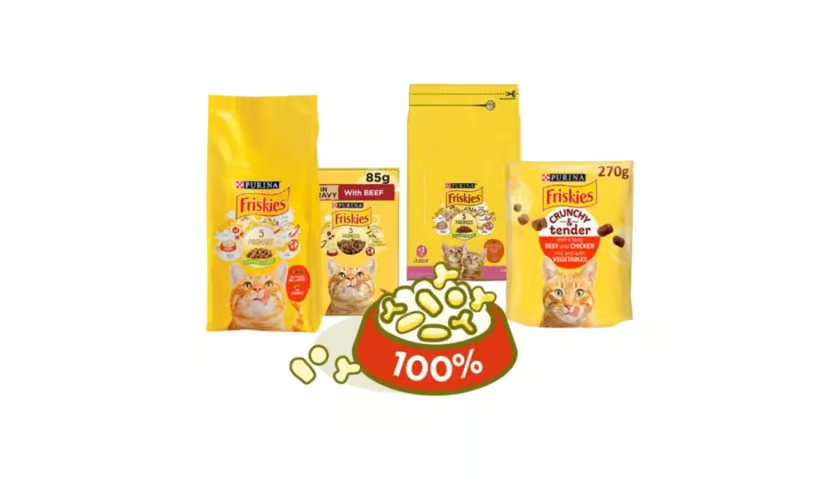
Nestlé Purina launches Friskies wet cat and dog food in Indonesia
The new products offer nutritional options tailored to pets’ ages, sizes, and life stages.
-

Purina opens US$550M pet food plant to expand production capacity
The site is the company’s first ground-up factory in more than 50 years.
-
Nestlé invests US$636M in Italy pet food plant as European demand accelerates
The facility will produce super-premium wet pet food for cats and dogs and will begin operations in 2029.
-
Purina to officially open US$550M Ohio pet food factory in August
The event will bring together company leadership, local and state officials, community partners and associates to celebrate the facility’s transition to full production.
-
Nestlé Petcare sales decline as wet cat food drives underlying growth
For the first time in a decade, the number of cats in the U.S. has surpassed dogs, reinforcing demand for cat-focused nutrition products.
-
Nigeria, Nestlé Nigeria Plc signs MOU to boost livestock genetics and dairy feed systems
The initiative aligns with President Bola Tinubu’s livestock transformation agenda, which seeks to modernise production systems and reduce conflict linked to traditional grazing.
-
Nestlé Mexico to invest US$455M to boost pet food production and manufacturing capacity
The move comes as Nestlé positions Mexico as a strategic hub for both domestic sales and regional exports.
-
Nestlé Purina invests US$470M in Brazil’s pet food industry
The pet food factory will add roughly 30,000 metric tons of annual wet pet food capacity in Brazil, effectively doubling the company’s production capacity.
-
Nestlé’s Purina PetCare sustained momentum as cat nutrition outpaced dog
As pet humanisation rises, demand for higher-quality, specialised and science-backed nutrition, especially in cat food, is expected to remain resilient.
-
Nestlé bets on cat food to claw back growth momentum
For the third quarter ending Sept. 30, Nestlé’s Pet Care segment reported net sales of US$5.47 billion, down from US$5.73 billion during the same period last year.