

Zanzibar increases taxes on imported chicken to boost local poultry production
However, Zanzibar’s poultry production is still developing, and critics argue that it cannot yet meet the demand if imports become too expensive or scarce.

ZANZIBAR – The government of Zanzibar is implementing significant tax hikes on imported chicken, a move that has raised alarm among meat traders, retailers, and consumers.
In its 2025/2026 budget announcement, the import duty on chicken was increased from TSh 300 to TSh 1,000 per kilogram, equivalent to a rise from around US$0.12 to US$0.40.
Market players say the increase could lead to higher retail prices for chicken, a staple protein for many households, especially those in low-income brackets.
Meat sellers in Darajani and other local markets warn that the decision may affect supply, especially as most chicken sold in urban centres is imported and relatively affordable.
Many importers say they were caught off guard and now fear that the increased costs could lead to shrinking sales and loss of business.
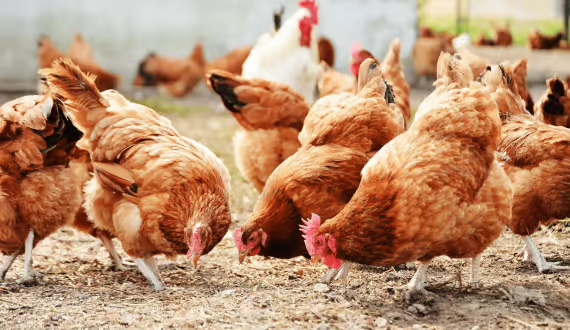
While the government argues the move aims to protect local poultry farmers from being edged out by cheaper foreign products, others are skeptical of the local industry’s readiness.

Zanzibar’s poultry production is still developing, and critics argue that it cannot yet meet the demand if imports become too expensive or scarce.
Policy reactions divided
Farmer groups and local producers have welcomed the tariff changes, saying the move will help improve market access for their products.
However, consumer rights advocates say the tax will likely raise food prices before local supply can adjust, worsening the cost of living for many families.
Analysts say unless domestic production ramps up quickly, the tax may lead to chicken shortages or force consumers to switch to lower-quality food options.
Several traders have urged the government to introduce a transition period or provide support to small-scale producers so they can scale up production efficiently.
Economists caution that import taxes alone will not be enough to grow the poultry sector, pointing to existing gaps in animal feed access, cold storage, and veterinary services.
They also argue that unless these structural challenges are addressed, the higher duties might result in more problems than benefits for the average consumer.
The government expects to collect over US$2.8 million (TSh 7.25 billion) from the new poultry and fish import duties.

The tax on imported fish has also been raised to the same level, drawing similar concerns from stakeholders in the seafood trade.
Sign up HERE to receive our email newsletters with the latest news updates and insights from Africa and the World, and follow us on our WhatsApp channel for updates.


Be the first to leave a comment