

Research highlights lupin as a sustainable game-changer for aquaculture feeds
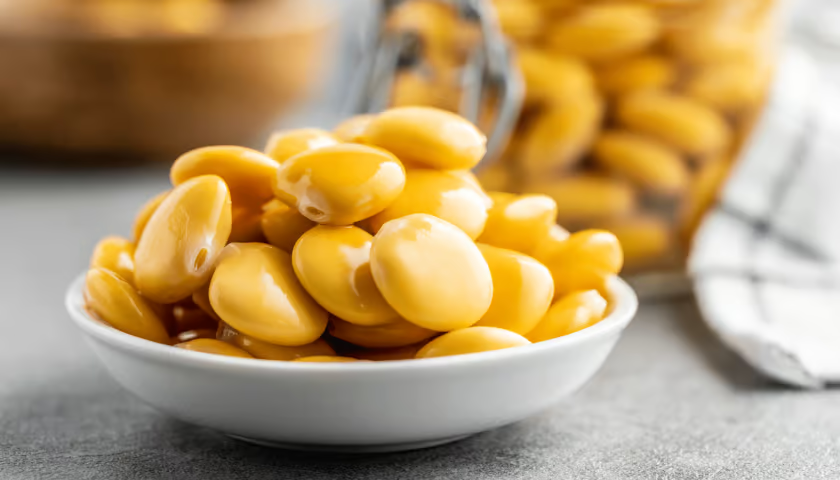
INDIA – A recent study by Malarvizhi et al. has identified lupin, a versatile legume, as a promising alternative in the aquaculture industry’s quest for sustainable and cost-effective feed ingredients.
With its high protein content, balanced amino acid profile, and ease of processing, lupin is emerging as a key player in reducing the industry’s environmental footprint.
As the demand for seafood continues to rise, the reliance on traditional fishmeal and fish oil has raised concerns over sustainability and market stability.
Lupin’s nutritional value and ecological benefits are positioning it as a viable substitute, potentially transforming the future of aquaculture feeds.

Lupin offers a unique combination of nutritional benefits, making it an attractive option for aquafeed.
It contains a high protein level (33-43%) and a balanced amino acid profile, which can effectively substitute fishmeal, a previously dominant protein source in aquaculture.
In addition to its protein content, lupin provides essential fatty acids, dietary fibre, and low fat, contributing to its feed ingredient appeal.
Its ability to grow in various climatic conditions and its positive environmental impacts, such as nitrogen fixation, further bolster its potential as a sustainable feed source.

Research has demonstrated that lupin can enhance fish growth and health when included in their diet. Studies have shown that lupin-based feeds improve the digestibility and palatability of diets for various fish species, including salmon, trout, and tilapia.
However, lupin must be carefully managed, as excessive amounts can lead to reduced growth due to anti-nutritional factors.
Despite these challenges, lupin has proven to be a valuable ingredient when used in appropriate proportions, promoting healthy growth and robust immune responses in farmed fish.
Challenges and prospects
While lupin holds excellent promise as an alternative to traditional aquafeed ingredients, several challenges must be addressed to realize its full potential.
Lupin’s presence of anti-nutritional factors can hinder nutrient absorption and affect fish growth, necessitating the development of processing methods to mitigate these issues.
Additionally, occupational exposure to lupin allergens poses a risk to industry workers, highlighting the need for safety measures and monitoring systems.
Despite these challenges, the future of lupin in aquaculture looks promising. With ongoing research and development, lupin could become a key ingredient in sustainable aquafeed, contributing to the industry’s efforts to reduce its environmental impact while supporting the health and growth of farmed fish.
Sign up to receive our email newsletters with the latest news updates and insights from Africa and the World HERE.


Be the first to leave a comment