Supply chain
-
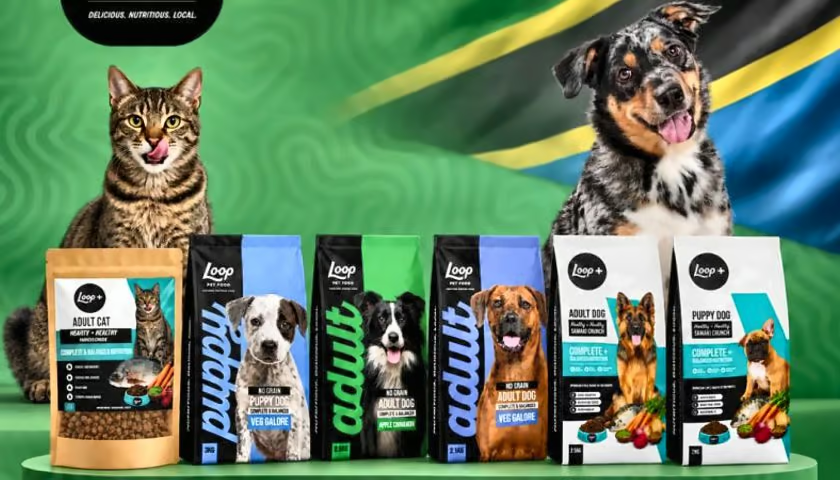
Loop expands East African pet food business into Tanzania
This follows its July launch of the more affordable Loop+ range for East African consumers.
-

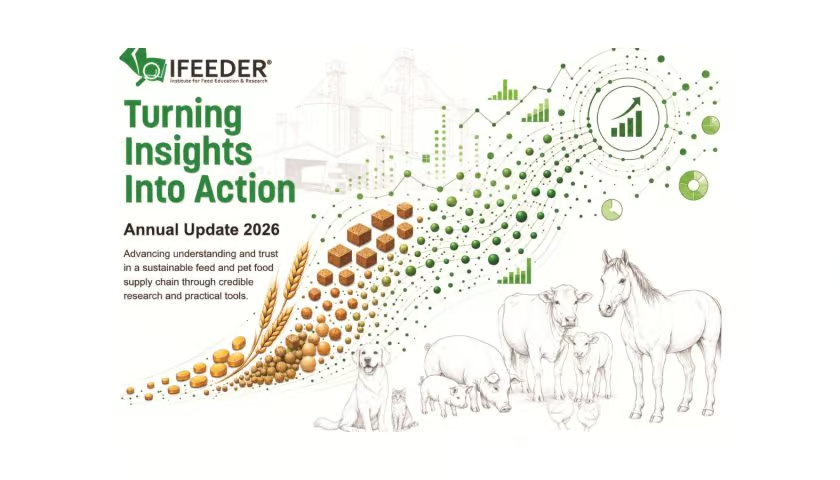
IFEEDER unveils five-year strategy for resilient feed supply chain
The report highlights IFEEDER’s progress in feed ingredient supply research, animal nutrition and sustainability, while setting priorities for building a more resilient feed and pet food supply chain.
-
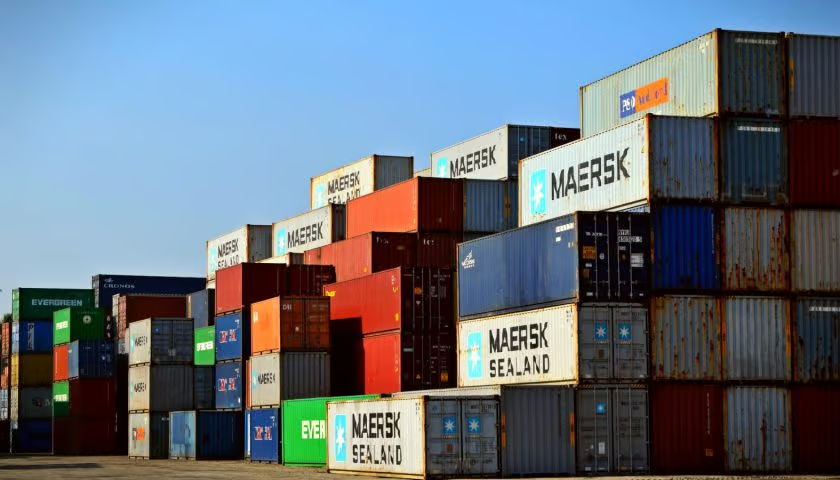
US$500M facility could expand US feed exports to Africa
Priority products include agricultural commodities such as grains and soybeans, alongside machinery, vehicles, electrical equipment, steel and other goods.
-
Ghana secures US$87M financing for poultry and feed value chain
The latest commitment follows the US$270 million National Poultry Transformation Programme, formalised in August with four investment partners.
-
FEFAC warns EU heatwaves could trigger major feed supply shortfall
FEFAC said lower forage production will widen the EU’s feed protein deficit, increasing demand for imported soy products.
-
Switzerland releases protein feed reserves amid import disruption
Companies can access nearly 16,000 tonnes of the country’s stored protein feed reserves from September 1, 2026, through February 2027.
-
BioMar Norway orders hybrid feed vessel for 2029
The ship will strengthen capacity, flexibility and delivery reliability in feed distribution along the Norwegian coast.
-
Tanzania unveils US$1.3B poultry plan to cut feed costs
Under the strategy, soybean production is targeted to increase from about 25,000 tonnes to 300,000 tonnes by 2036.
-
Aker QRILL closes 2026 Antarctic krill fishing season
Antarctic krill fishery set to close this week, as precautionary management measures take effect.
-
ADM expands Scottish feed supply chain with new Greenock facility
The Greenock facility is expected to become operational later this year.