Livestock
-
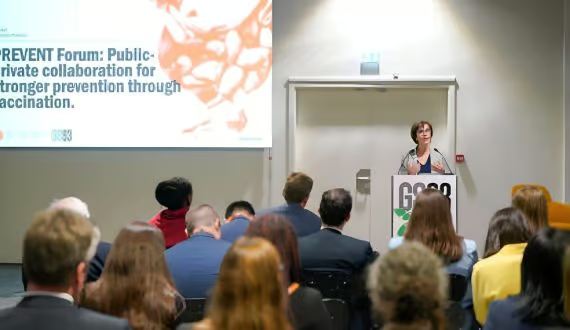
WOAH launches PREVENT Forum to expand animal vaccination, strengthen disease prevention
WOAH luanches platform to save global economy over US$300 billion every year from animal diseases
-

Western Kenya counties expand subsidised AI, livestock health support for dairy farmers
The initiative is being implemented through county extension officers and licensed private veterinary providers in all wards, with support from the KAGRC and KDDC.
-
Bangladesh targets meat export push through low-cost grass-based livestock feed strategy
Napier grass is expected to play a central role in transforming production economics and supporting export readiness
-
Zichis Agro-Allied targets US$360K monthly revenue after feed mill upgrade and farm expansion
The company estimates monthly output at about 1,200 tonnes based on 12 operating cycles across 20 working days.
-
SADC ministers to prioritise livestock disease control, aquaculture and feed systems at Zimbabwe summit
Ahead of the ministerial meeting, senior SADC officials will meet from May 26–27 to review past decisions and draft recommendations on livestock, fisheries, and agricultural priorities.
-
ANDRITZ highlights efficiency, digitalisation and value-chain optimisation at AFMASS Zambia
The sessions and panels examined feed milling opportunities like modular plants, raw material variability, and digital maintenance tools.
-
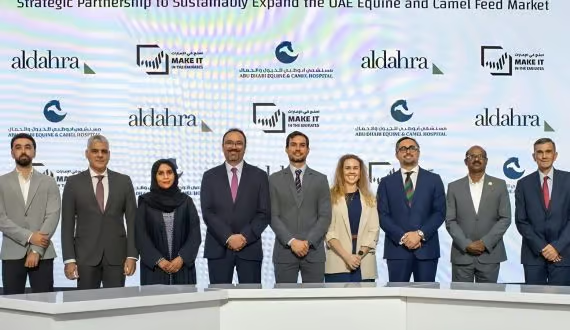
Al Dahra partners with ADECH to advance specialised feed and nutrition solutions
The MoU positions Al Dahra as ADECH’s preferred feed supplier while they explore market, customer, and R&D collaboration.
-
Botswana launches poultry financing programme to strengthen local feed and hatchery capacity
CEDA plans to finance 269 poultry farmers and support the establishment of three hatcheries
-
Elanco expands dairy nutrition and health portfolio with AHV acquisition
The acquisition reflects broader industry movement toward integrated dairy production systems that combine feed, nutrition and animal health tools to improve long-term herd performance.
-
Côte d’Ivoire partners with Brazil’s CODEVASF to modernise livestock and fisheries sectors
The agreement was formalised on May 8 by Sidi Tiémoko Touré and José Vivaldo Mendonça.