

Kenya Veterinary Association urges pre-positioning of feed, vaccines as El Niño threatens livestock sector
KVA is calling for emergency pre-emptive livestock vaccination campaigns.

KENYA – The Kenya Veterinary Association (KVA) has called for accelerated preparedness measures, including pre-positioning feed, fodder, vaccines, and veterinary supplies, to protect the country’s livestock sector from the anticipated effects of El Niño conditions through the remainder of 2026 and into early 2027.
The association warned that heavy rains and flooding could trigger disease outbreaks, livestock deaths, damage to animal housing and disruptions across livestock value chains, affecting millions of pastoralists and farmers.
KVA President Dr Kelvin Osore said Kenya must move quickly from planning to implementation to reduce the impact of the expected weather conditions.
“The anticipated weather conditions pose significant risks to Kenya’s livestock sector,” Osore said.

Among the priority measures proposed are emergency vaccination campaigns, protection of water infrastructure, emergency destocking programmes and deployment of mobile veterinary units to high-risk pastoral areas.
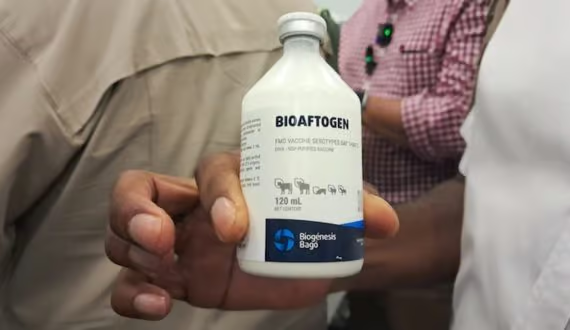
The association also called for vaccines, veterinary medicines, laboratory supplies, feed and fodder reserves to be strategically positioned in vulnerable regions before heavy rains intensify.
Osore said Kenya should apply lessons learned from the 2023–2024 El Niño, which caused widespread flooding, livestock losses, infrastructure destruction, contamination of water sources, and severe disruptions to pastoral livelihoods.
“For livestock-dependent households, these impacts translated into reduced incomes, food insecurity and prolonged recovery,” he said, adding that

“preparedness is considerably less costly than emergency response after disasters have already occurred.”
Government strengthens livestock disease surveillance and feed preparedness
The KVA welcomed measures already underway by the Directorate of Veterinary Services, including enhanced surveillance of climate-sensitive and vector-borne livestock diseases, parasite control programmes, strengthened laboratory capacity and the pre-positioning of vaccines and emergency veterinary materials.
The Directorate is also preparing strategic vaccination campaigns targeting priority diseases such as Rift Valley Fever, alongside initiatives to improve feed and fodder preparedness, rehabilitate water points and enhance livestock safety during flooding.
However, the association stressed that adequate and timely financing would be essential to ensure these interventions are implemented before weather conditions worsen.
The KVA and the Directorate of Veterinary Services have agreed to strengthen collaboration on public awareness campaigns, farmer education, resource mobilisation and the development of a comprehensive livestock preparedness and response plan.
The association further urged livestock owners to consult veterinarians on vaccination schedules, strengthen parasite control programmes, secure feed and water supplies, identify safe grazing and shelter areas, and promptly report unusual livestock illnesses or deaths to veterinary authorities.
According to KVA, early intervention will be critical in reducing livestock losses, protecting feed supplies and strengthening the resilience of Kenya’s livestock sector against the anticipated El Niño conditions.
Sign up HERE to receive our email newsletters with the latest news updates and insights from Africa and the World, and follow us on our WhatsApp channel for updates.
Be the first to leave a comment