

Russia grapples with premium pet food shortage amid western sanctions
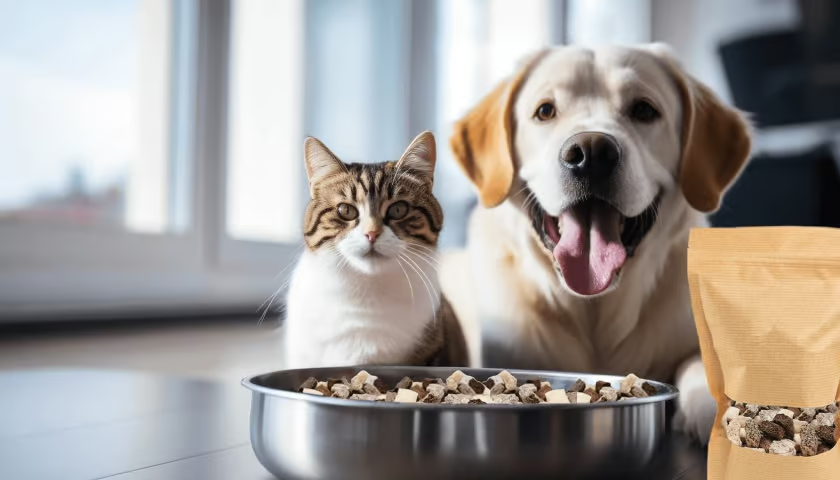
RUSSIA – Research shows that Russia is facing an escalating shortage of premium, specialized, and holistic pet food as Western brands continue their exodus from the market, according to an article by All About Feed.
This growing deficit is attributed to a combination of Western sanctions and Russian veterinary restrictions, with market players and analysts pointing to significant disruptions in the pet food sector.
Since 2020, numerous European and American brands have withdrawn from Russia, a trend that shows no sign of abating.
The situation worsened between November 2023 and February 2024, when several dozen high-end pet food brands exited the Russian market.

Anna Kazak, founder and CEO of the local dog food manufacturer Nu:Treat, described the departures as a pivotal moment for the sector.
The shortage has forced Russian pet owners to adopt different strategies to meet their pets’ dietary needs.
According to the e-commerce pet food company Zoozavr, customers requiring specialized or holistic options have split into two camps.
“Some continue to scour online and offline stores for scarce leftovers, while others have transitioned to pet food from alternative imported manufacturers still operating in Russia,” a Zoozavr spokesperson explained.

This shift has brought challenges, particularly for owners of pets with specific dietary requirements. Despite Russia’s near-total self-sufficiency in regular pet food, the premium segment, which historically relied heavily on imports, has been hardest hit.
While domestic manufacturers have partially filled the gap in regular pet food supplies, questions remain about the quality of locally produced premium alternatives. Kazak highlighted concerns about the ingredients used by some Russian producers.
“With European foods gone, products priced between 70 and 150 rubles (US$0.70–US$1.50) have flooded the market. But are they using quality meat or low-grade by-products? The answer is clear,” she remarked.
Compounding these issues is a domestic shortage of high-quality fish meat, a key ingredient for many premium pet food products, further undermining the production of specialized diets.
Despite these challenges, the Russian pet food market has shown remarkable growth. Sales in 2023 reached 433 billion rubles (US$4.3 billion), up 14% from the previous year’s 380 billion rubles (US$3.8 billion), according to Zooinform, a Moscow-based pet food media outlet.
However, this growth has been driven mainly by rising prices and increased demand for higher-value products.
Simultaneously, imports of foreign pet food have plummeted. In 2023, Russia imported approximately 72,400 tonnes of pet food, a staggering 31% drop from the previous year.
Sign up HERE to receive our email newsletters with the latest news updates and insights from Africa and the World and follow us on our WhatsApp channel for updates.


Be the first to leave a comment