
AFIA warns of severe consequences from ongoing port strike
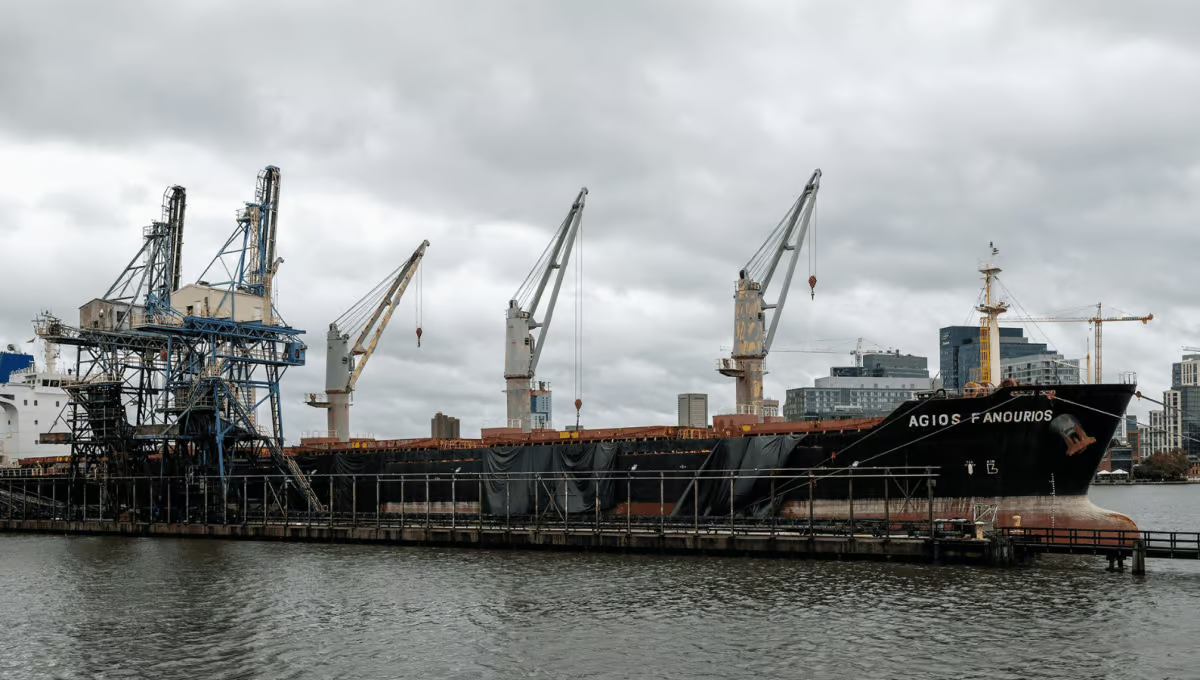
USA – The American Feed Industry Association (AFIA) has warned about the potential long-term economic repercussions and disruptions to the animal food supply chain as more than 45,000 dockworkers commenced their strike on October 1.
The labor dispute, a result of failed negotiations between the United States Maritime Alliance (USMX) and the International Longshoremen’s Association (ILA), marks the first strike by ILA dockworkers since 1977.
According to the AFIA, the strike could lead to shortages of essential ingredients, equipment, packaging materials, and other goods critical to producing livestock and pet food.
With nearly 40% of U.S. agricultural exports passing through East and Gulf Coast ports, the shutdown is critical for U.S. trade. The effects are expected to mirror or potentially surpass the supply chain disruptions experienced during the COVID-19 pandemic.
Constance Cullman, president and CEO of AFIA, expressed grave concerns about the strike’s implications, particularly for animal food manufacturers that rely heavily on imported ingredients and equipment.
“The lack of compromise not only puts 45,000 dockworkers out of work, but it also threatens the livelihoods of thousands throughout the animal food industry,” Cullman stated. “Our industry is responsible for providing vital nutrition to farm animals and pets. However, with limited access to essential imports, production may be severely constrained.”
The strike’s impact extends beyond the immediate loss of access to key ports. The animal food industry has developed a complex network of global trade relationships, particularly for importing crucial ingredients such as vitamins, minerals, and amino acids essential for animal health.
The AFIA highlighted that nearly 100% of vitamins, for instance, are sourced from abroad, making any delay in shipments potentially devastating for livestock and pet health.
Some manufacturers may seek alternative shipping routes or substitute ingredients where possible to mitigate the fallout.
However, the AFIA cautioned that such measures could drive production costs, with farmers and pet owners ultimately bearing the financial burden.
“Feed, pet food, and treat prices will inevitably rise, and if the strike drags on, the shelves in feed and pet food aisles may go bare,” Cullman explained.
Call for government intervention
In response to the escalating situation, the AFIA has been advocating for federal intervention. Over the past several months, the organization, through the Agriculture Transportation Working Group, has urged the Biden administration to take action to resolve the port labor disputes.
According to the American Farm Bureau Federation, in 2023 alone, over 70% of the U.S.’s waterborne exports of grains, animal feed, and hay — amounting to 2.18 million tons — moved through the East and Gulf Coast ports.
AFIA members rely heavily on these ports to import key feed ingredients and essential equipment used in animal food production.
The association emphasized that further delays could seriously hamper the U.S.’s ability to trade effectively with international markets, damaging the animal feed industry long-term.

Cullman urged the Biden administration to expedite the resolution process, stressing the strike’s widespread ramifications: “The entire U.S. economy and our human and animal food supply depend on these dockworkers getting back to work. This isn’t just about labor negotiations—food security and the livelihoods of countless individuals in our industry.”
The U.S. animal food industry, which includes over 650 domestic and international companies that manufacture 75% of the feed and 70% of non-whole grain ingredients used in the country, is particularly vulnerable to extended port shutdowns.
Sign up to receive our email newsletters with the latest news updates and insights from Africa and the World HERE.

Be the first to leave a comment